
Last updated September 20, 2026
Full 25-point door and opener safety check with every visit - springs, cables, rollers, tracks, and your LiftMaster or Chamberlain opener included
You get a price before we start. It does not change when the truck arrives.
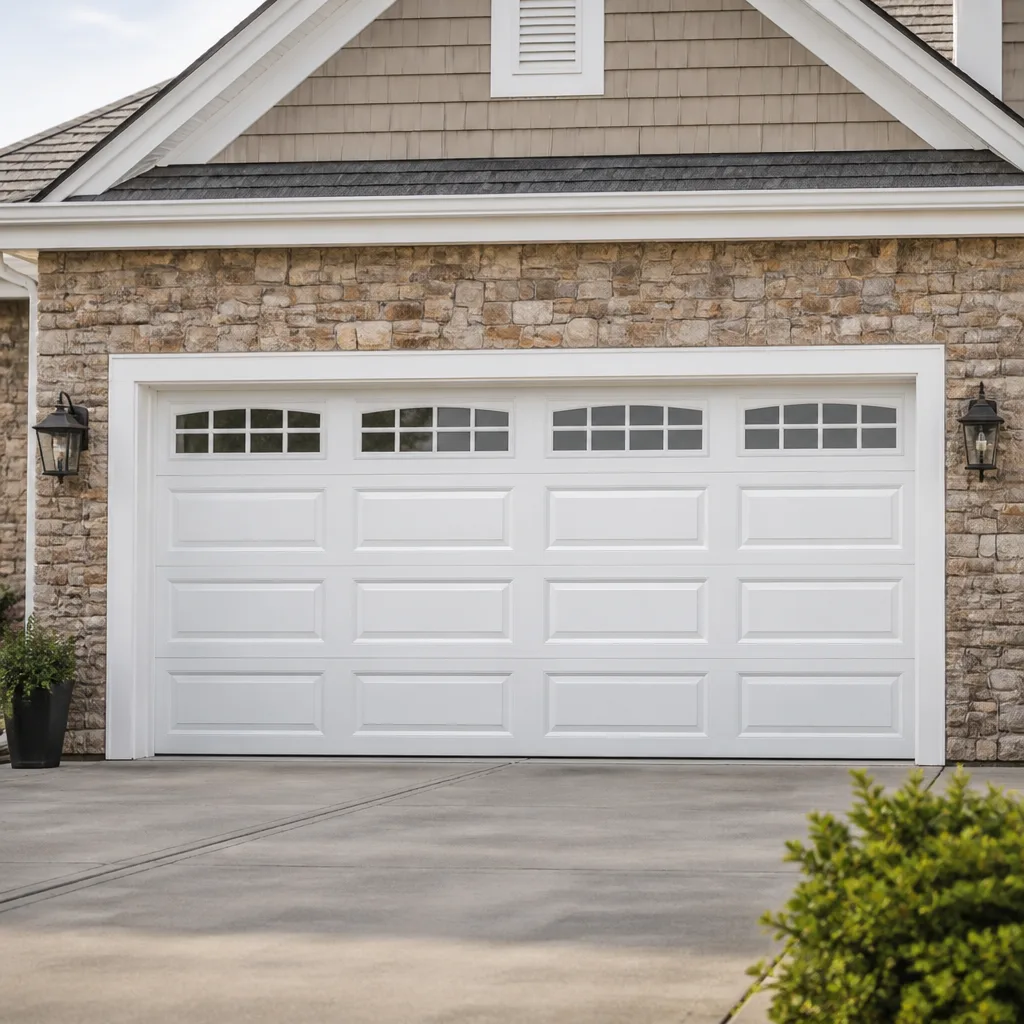
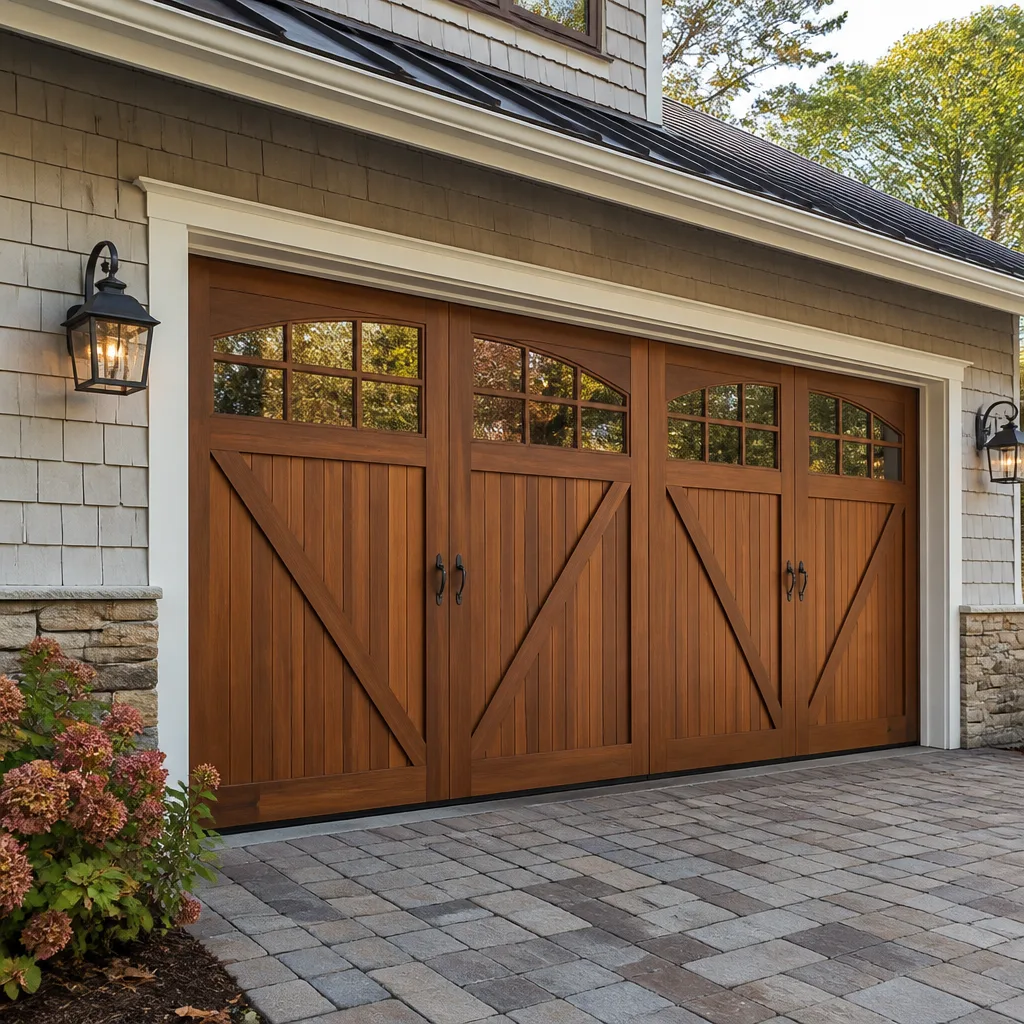
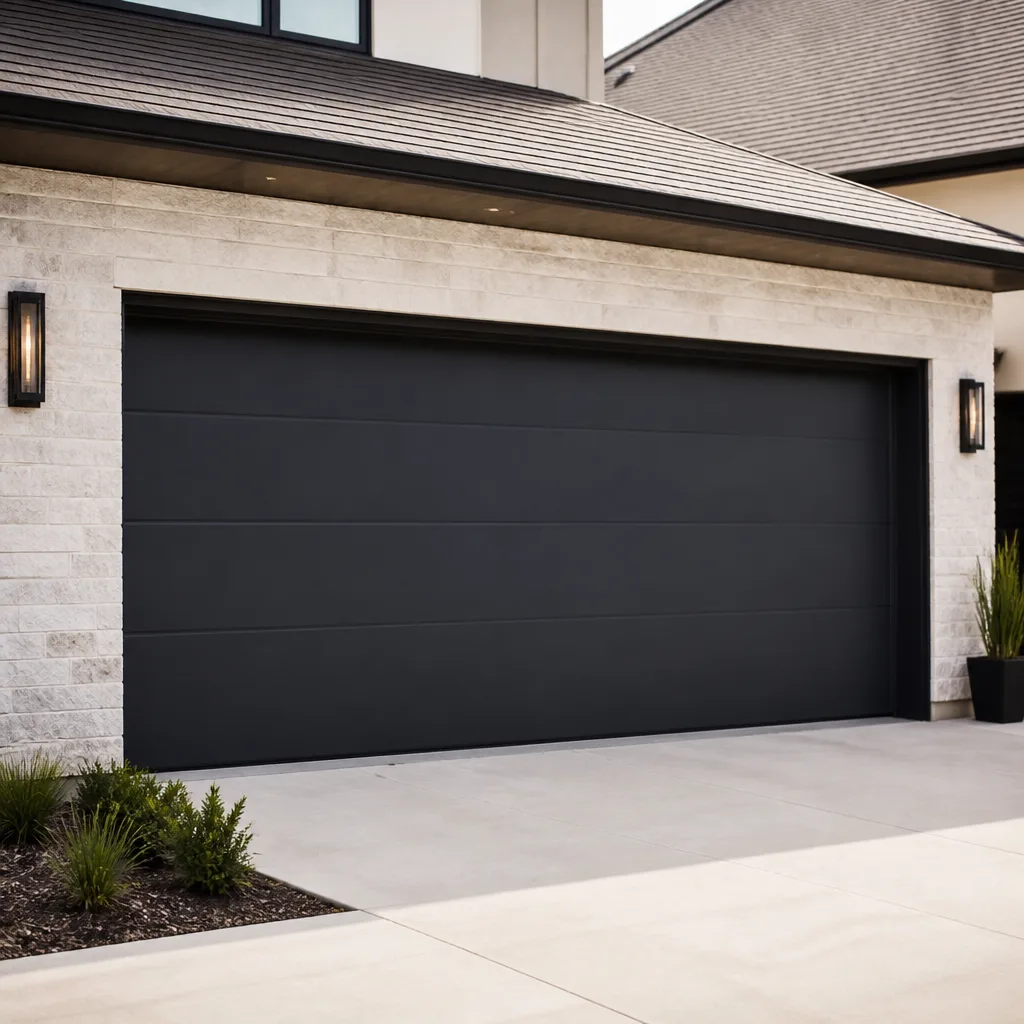
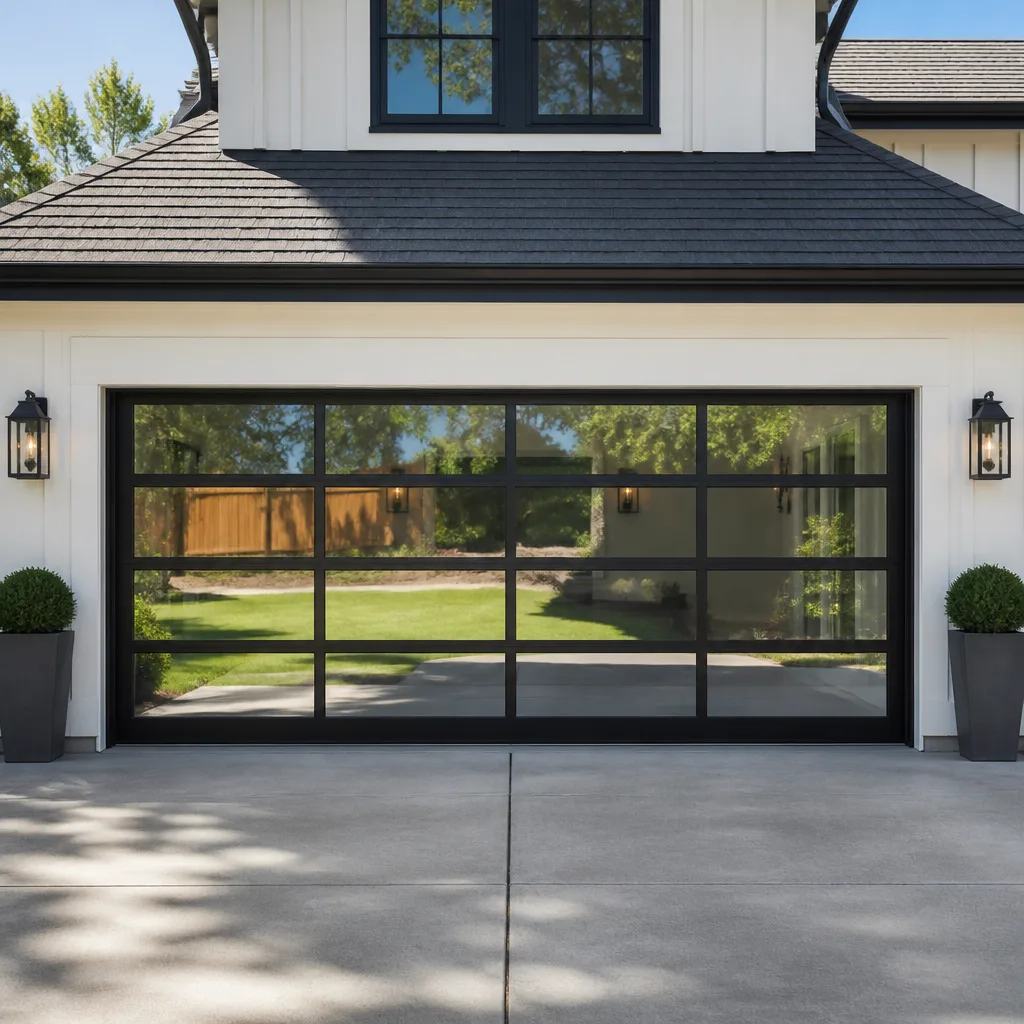
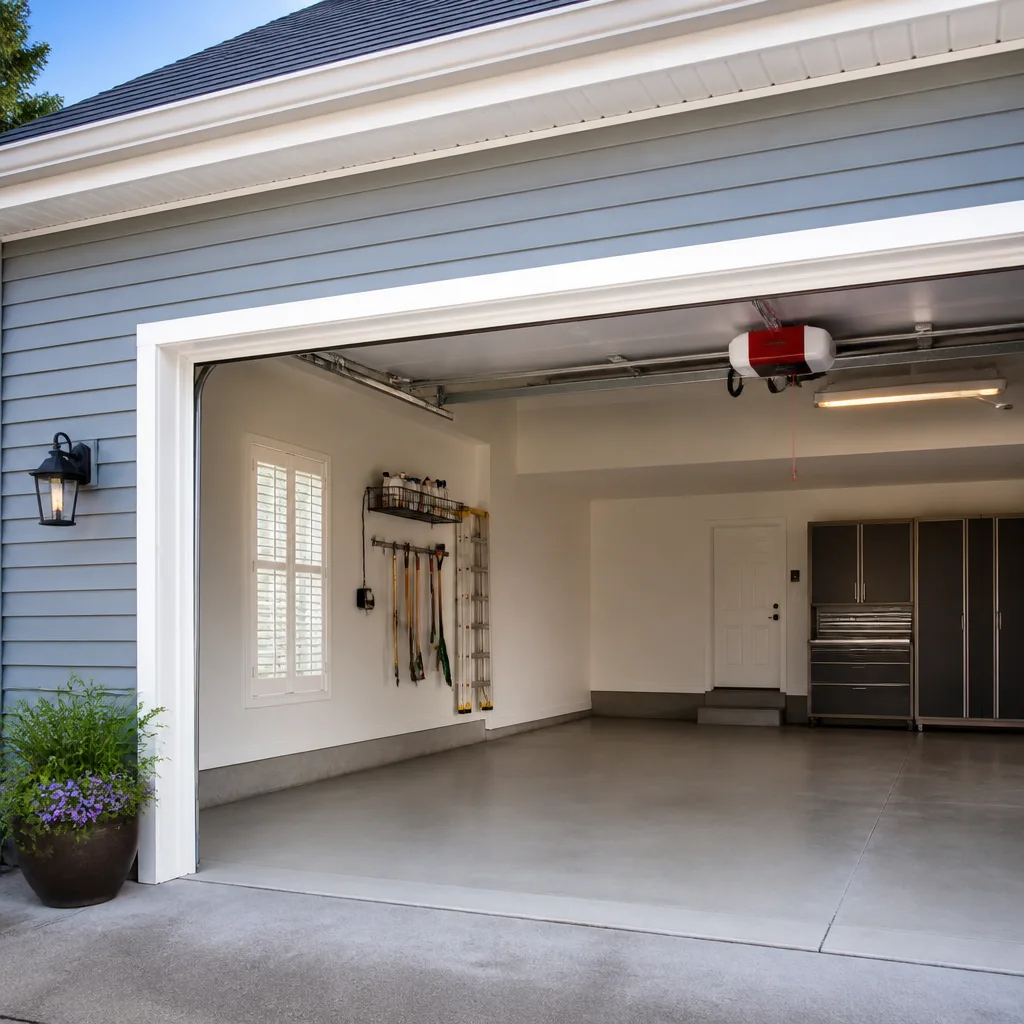
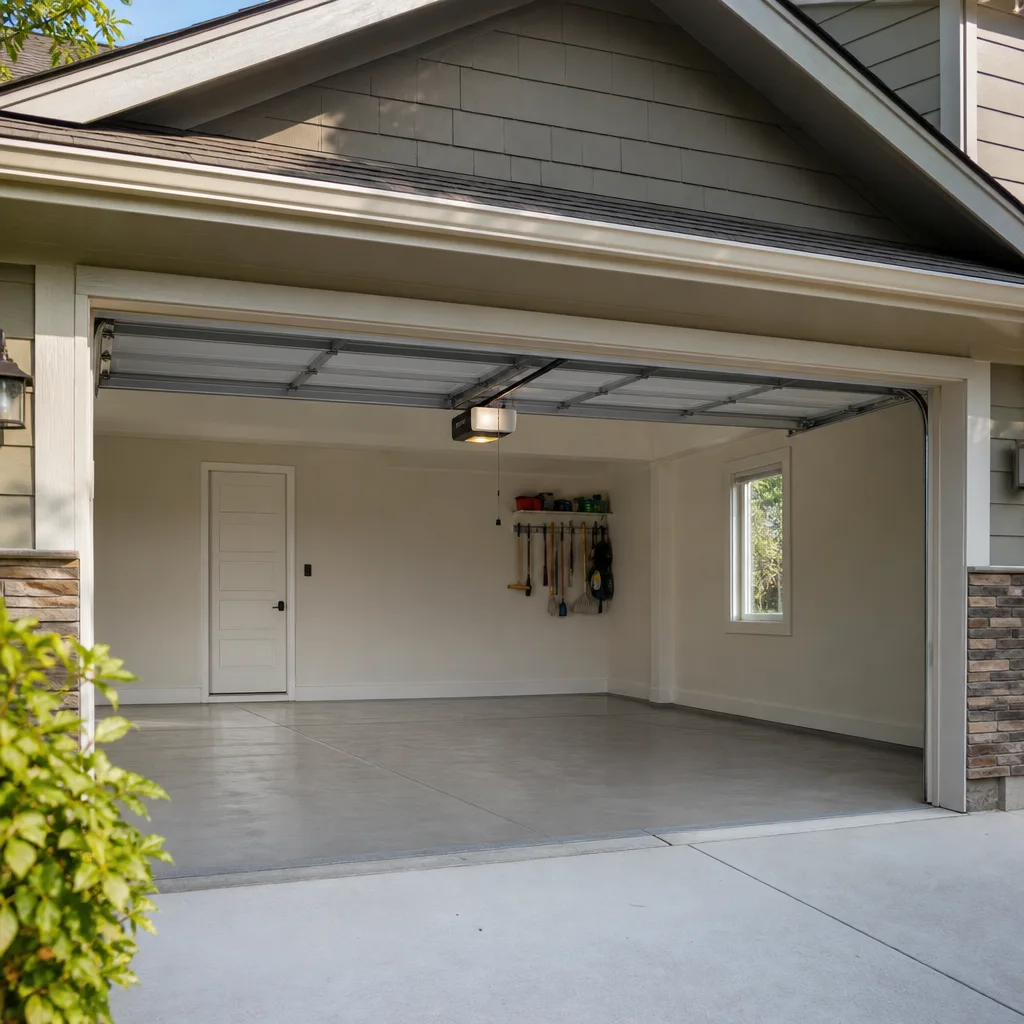
 Before
 After
After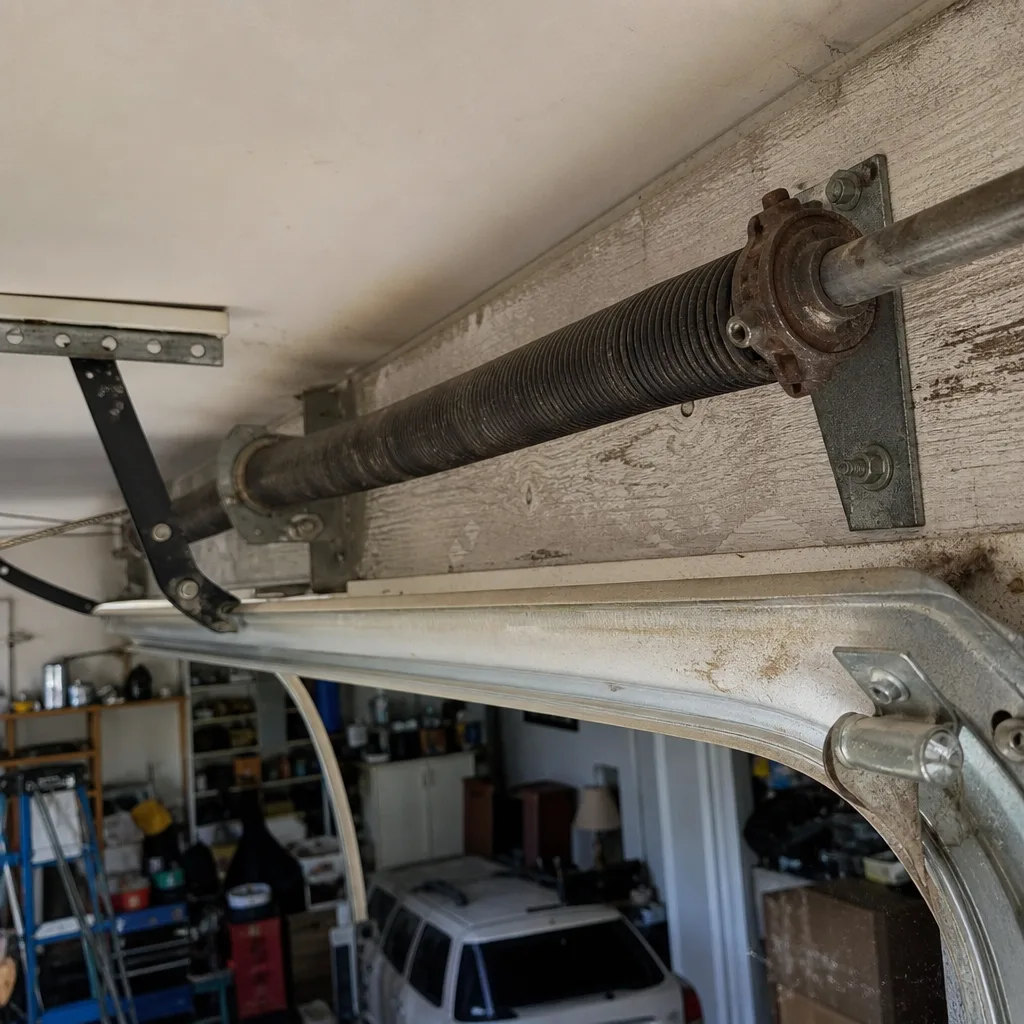 Before
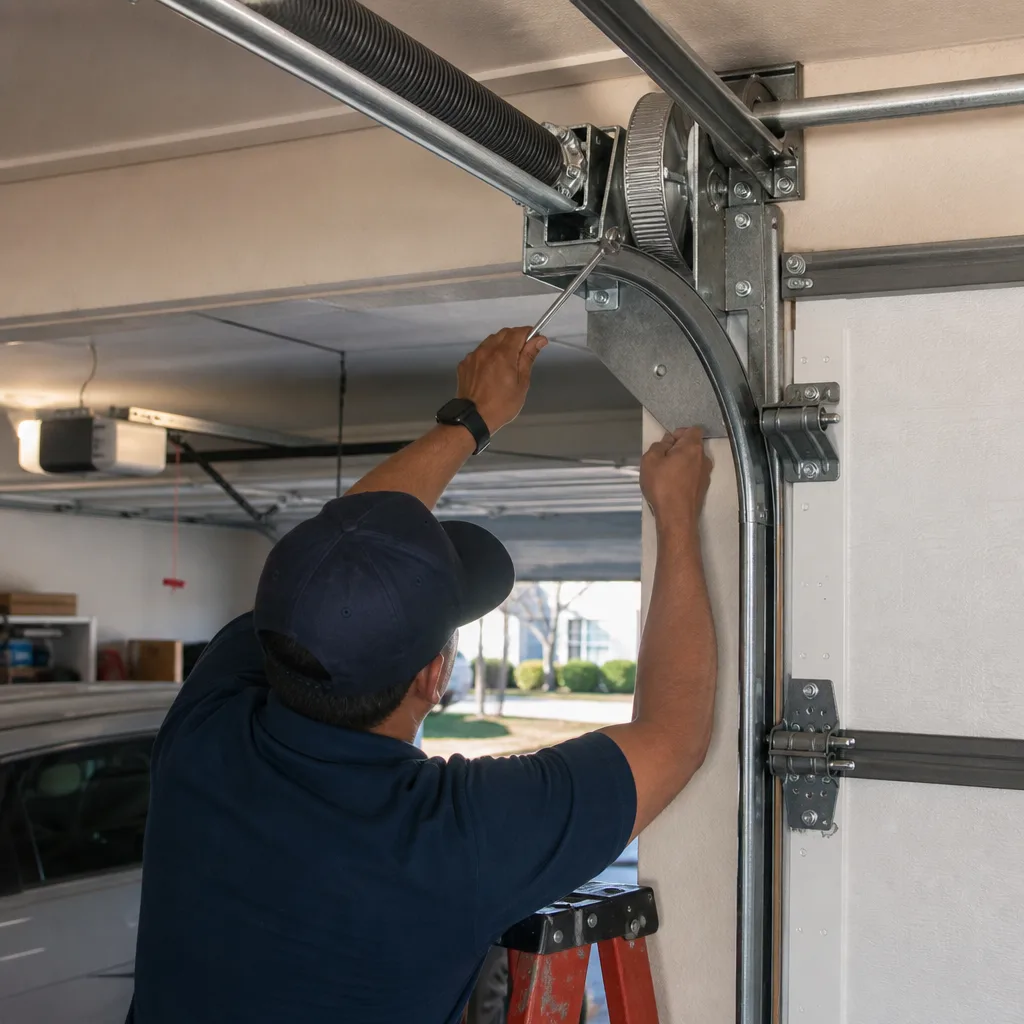 After
After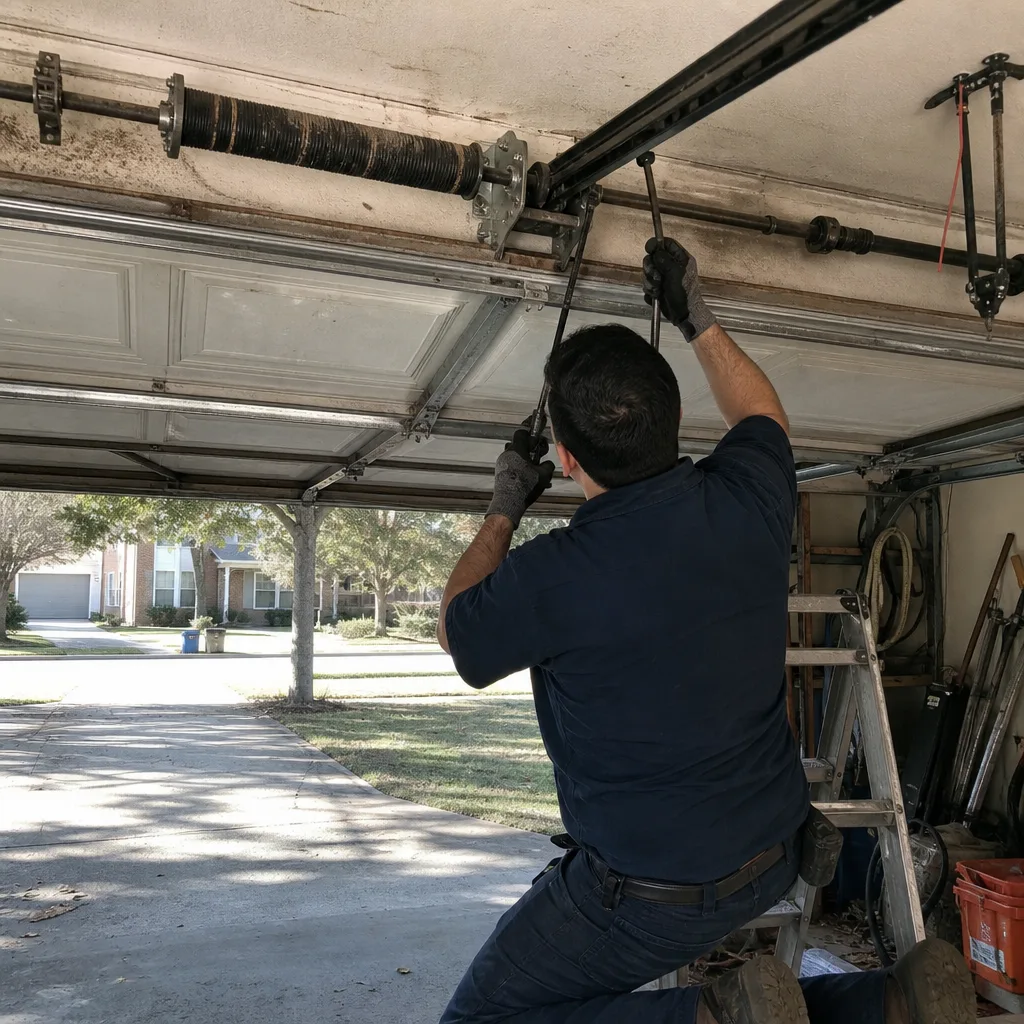 Before
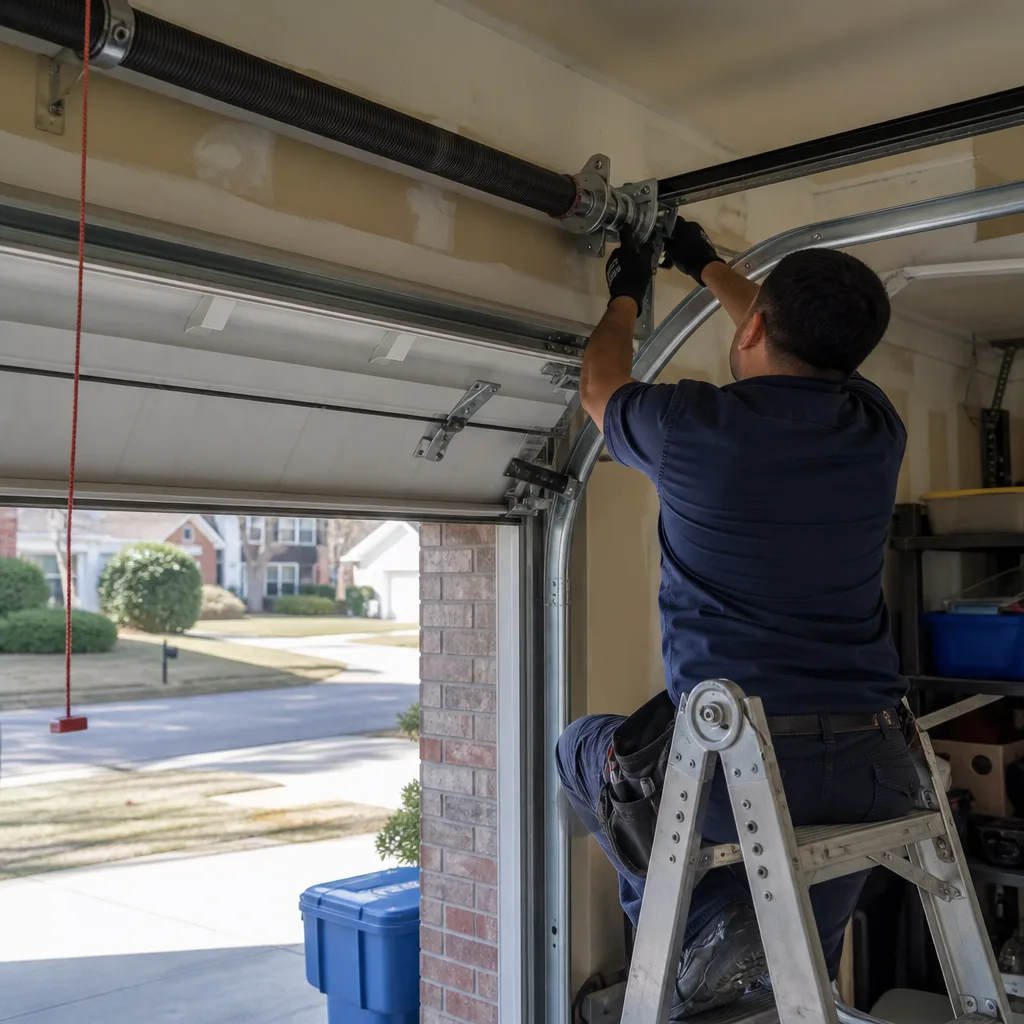 After
AfterGarage Door Warning Signs: A McDonough Homeowner’s Reference Guide
A garage door that reverses before touching the ground is almost always a photo-eye or limit-switch issue, a $0 to $75 fix depending on whether it needs adjustment or part replacement. Most homeowners calling about this symptom have already been quoted a spring replacement. Those are different components in different locations with nothing mechanically in common. This guide pairs each warning sign you’re likely to hear or see with the specific mechanical cause behind it, what it costs to fix in the McDonough market, and how to document the symptom before you call anyone. For a broader overview, see The Complete Guide to Garage Door in McDonough. By the time you finish reading, you’ll know whether you’re looking at a maintenance item, an urgent repair, or a door that has reached the end of its service life.
Quick Answer
The most common garage door warning signs in McDonough are a door that reverses before closing, a grinding or squealing noise during operation, uneven movement, a door that won’t stay open, slow response to the opener, visible cable wear, and a door that’s noticeably heavier to lift manually. Each symptom traces to a specific component: the photo-eye sensors, limit switches, torsion springs, extension springs, cables, rollers, hinges, or the opener’s logic board. Most warning signs fall into two categories: worn parts that allow planning and scheduling, or failed parts that demand same-day attention because they create a safety risk. Our Seasonal Garage Door Care for McDonough: Year-Round Homeowner’s Guide can help you stay ahead of the worn-part category.
Table of Contents
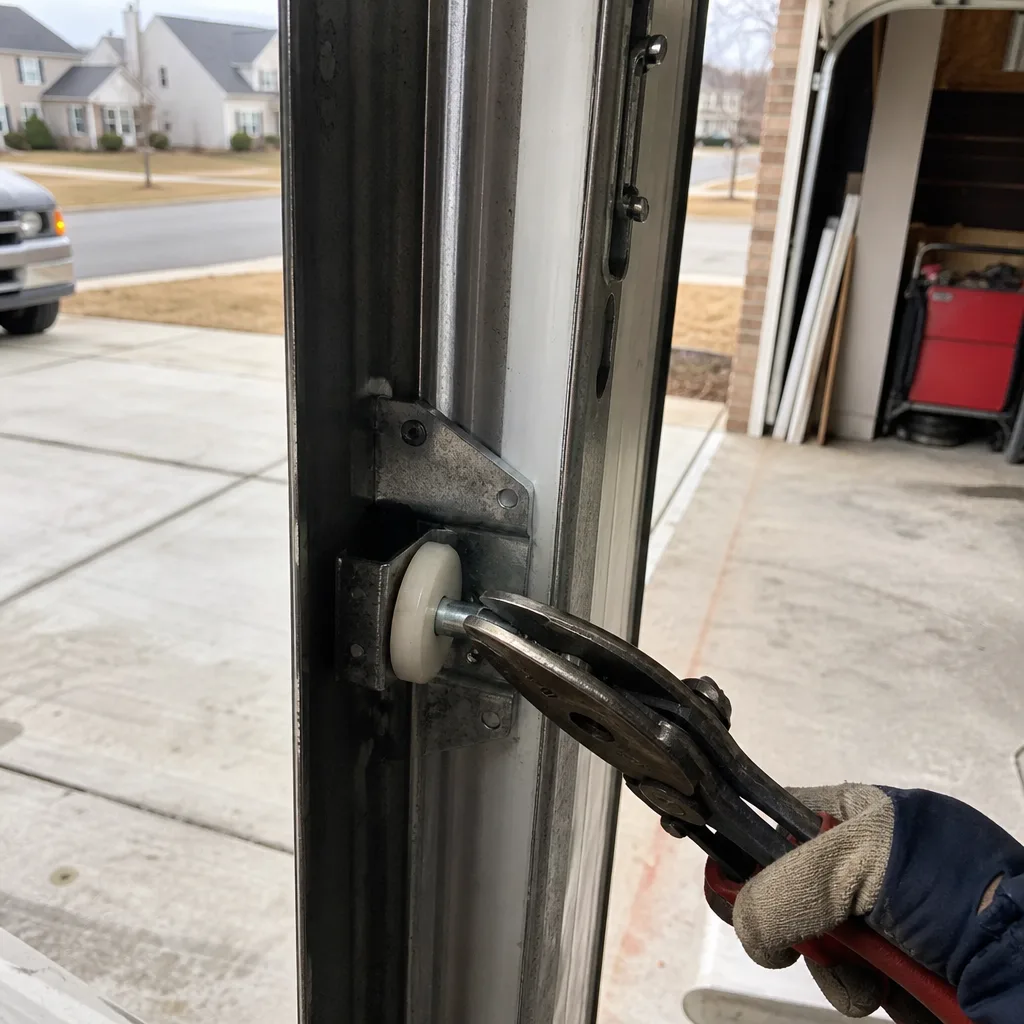
- Symptom to Component: The 12 Warning Signs Mapped to Their Causes
- Worn vs. Failed: Which Warning Signs You Can Schedule and Which Can’t Wait
- Warning Signs That Mean the Door Stays Closed Until Repaired
- How to Document a Warning Sign With Your Phone Before Calling a Contractor
- What Each Repair Costs in the McDonough Market
- Warning Signs That Mean Replacement Beats Repair
- What Makes McDonough Garage Doors Fail: Climate, Clay, and Construction
- A Maintenance Schedule That Prevents Most Warning Signs
BeforeAfterSymptom to Component: The 12 Warning Signs Mapped to Their Causes
Every garage door symptom has a mechanical cause. The cause narrows the repair to one or two parts, and the part narrows the price. Here are the twelve warning signs we see most often in McDonough homes, each mapped to the specific component responsible.
1. Door Reverses Before Reaching the Ground
Likely cause: Photo-eye sensors misaligned, dirty, or failed. In some cases, a limit switch set too high tells the opener the door has traveled far enough when it hasn’t.
The photo-eyes are the two small sensors mounted near the floor on each side of the door opening. They project an invisible beam. If anything breaks that beam, the door reverses. If the sensors get knocked out of alignment by a broom, a trash can, or a car bumper, the door thinks something is in the way. A leaf, cobweb, or McDonough’s red clay dust on the lens does the same thing. The fix is usually a 10-minute alignment or cleaning. If the sensor itself has failed, replacement runs $45 to $75. Neither of these requires touching a spring.
2. Grinding Noise During Operation
Likely cause: Worn rollers or dry roller bearings. Second possibility: a bent track or misaligned track causing the rollers to drag.
Grinding is a metal-on-metal sound. Garage door rollers are either steel with ball bearings or nylon with ball bearings. When the bearing dries out or fails, the roller stops rolling and starts dragging along the track. The sound is unmistakable. In McDonough homes where doors face south or west, afternoon sun heats the track and accelerates bearing wear. A set of 10 to 12 rollers typically costs $120 to $200 installed. A bent track replacement runs higher, usually $150 to $300 depending on whether it’s a single section or the whole vertical and horizontal assembly.
3. Squealing or Squeaking
Likely cause: Dry rollers, dry hinges, or a torsion spring that needs lubrication at the bearing plates.
A high-pitched squeal almost always means friction without lubrication. Rollers with worn bearings squeak before they grind. Hinges squeak where the pin rotates. Torsion springs squeak at the stationary bearing plates mounted to the header. The distinction matters because lubing a spring is a maintenance item, while a roller already grinding has likely damaged the bearing race and needs replacement. A service call that includes lubrication of all moving parts runs $80 to $125 in McDonough. If rollers are replaced during the same visit, expect the combined total to land between $150 and $250.
4. Door Won’t Stay Open
Likely cause: Worn torsion or extension springs. This is a spring tension problem, not an opener problem.
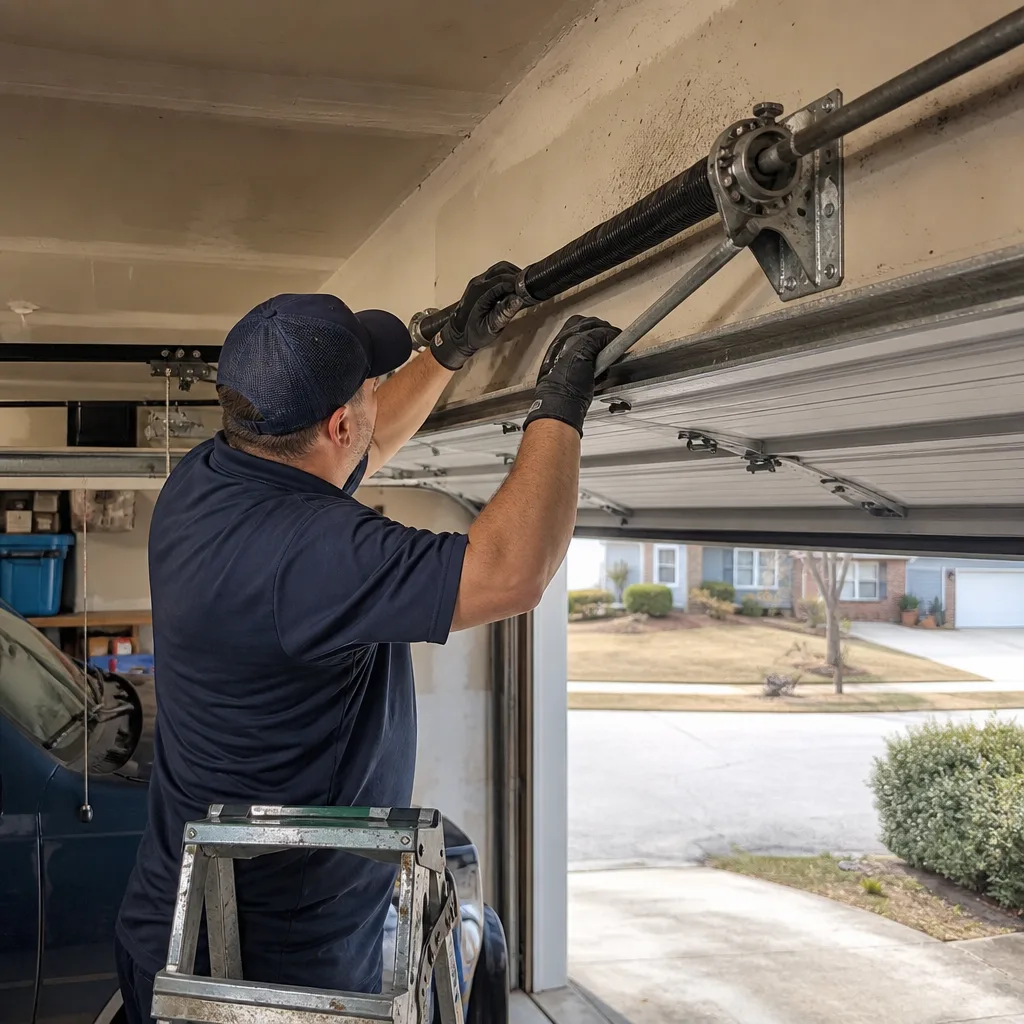
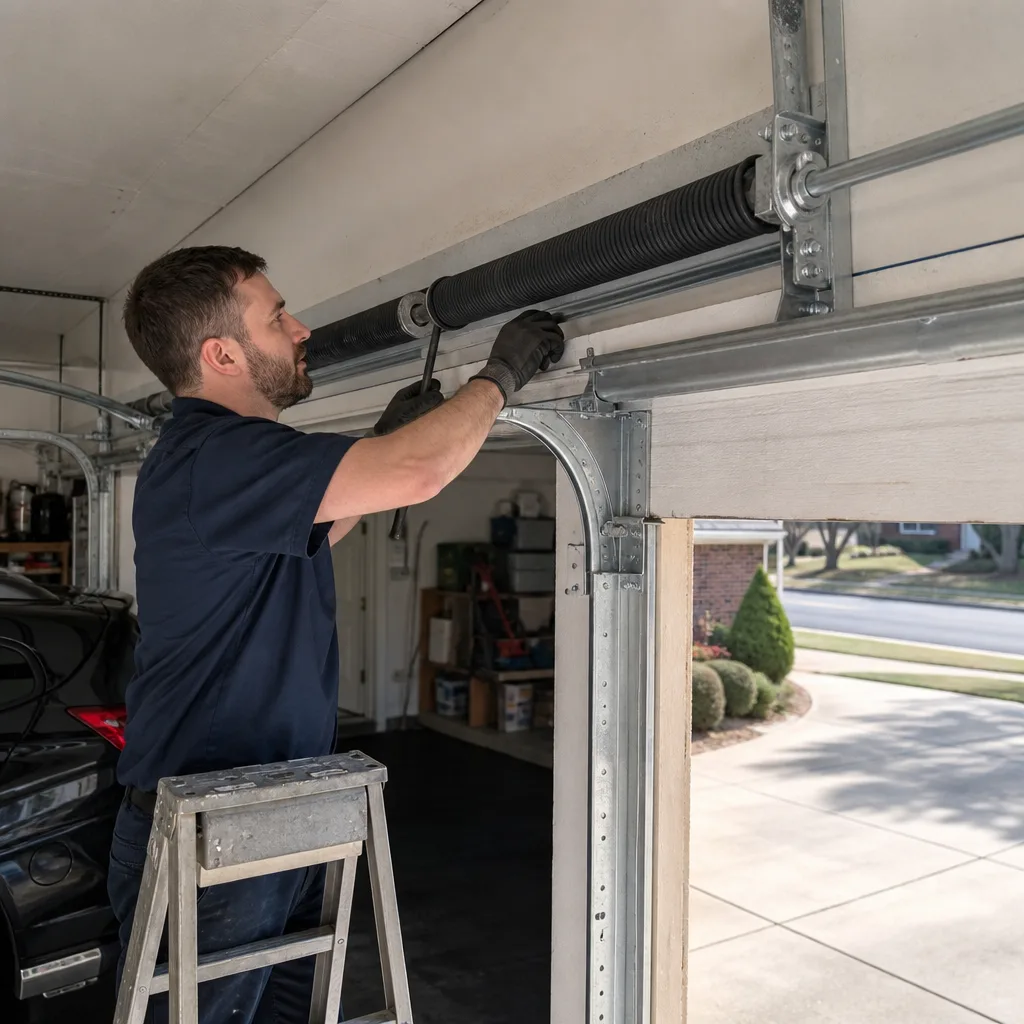
When you open the door manually and it drifts back down or slams, the springs have lost tension. For a torsion spring, this means the spring has either broken or fatigued to the point where it can no longer counterbalance the door’s weight. For extension springs, the same applies along the sides. A door that won’t stay open is a safety hazard. Do not attempt to adjust spring tension yourself. Torsion springs store an enormous amount of energy, enough to cause serious injury or death if they release. This is a call-a-professional symptom. McDonough replacement for a pair of torsion springs typically runs $280 to $450 depending on spring wire size and door weight. A single spring on a smaller door may run $180 to $250.
5. Door Opens Slowly or Hesitates
Likely cause: Opener logic board failing, capacitor wearing out, or the motor’s drive gear stripping. If the door is also heavy to lift manually, the springs are the culprit instead.
The distinction is testable. Pull the emergency release cord and lift the door by hand. If it lifts easily and stays open, the door’s mechanical side is fine and the opener is the problem. A stripped drive gear is the most common failure on chain-driven openers and runs $120 to $180 to replace. A failing logic board is more expensive, typically $180 to $300. If the door is heavy to lift, go back to warning sign number four: you have a spring issue, not an opener issue.
6. Visible Cable Wear or Fraying
Likely cause: Cables nearing failure, often accelerated by a door out of balance or a misaligned track.
Garage door cables are high-tension steel strands that work with the springs to lift the door. When you see frayed strands near the bottom bracket or the drum at the top, the cable is failing. This is a stop-using-the-door symptom. A cable under tension will snap without warning, and when it does, the door can drop unpredictably. In McDonough, cable replacement runs $150 to $250 per pair. The underlying cause, often a door out of balance, should be corrected at the same time or the new cables will wear just as quickly.
7. Door is Crooked or Uneven When Moving
Likely cause: One broken spring (door sags to one side), a broken cable on one side, or a bent track.
When a torsion spring breaks, one side of the door often drops. The door still moves because the opener is doing all the lifting, but the angle is visibly wrong. This is an urgent repair because the remaining spring and the opener are now carrying a load they were never designed for. When a cable breaks on one side, the same visual results. Track bends cause uneven movement in a different way: the door binds partway up and then continues with a jolt. Spring and cable repairs should happen promptly. Track replacement can often be scheduled within a few days unless the door is at risk of coming off the track entirely.
8. Door Shakes or Vibrates Excessively
Likely cause: Loose hardware, worn rollers, or an unbalanced door.
Every garage door vibrates slightly during operation. Excessive shaking that you can feel through the floor or see in the panels means something is loose or worn. Bolts and lag screws back out over time, especially on McDonough homes where the soil’s shrink-swell cycle subtly shifts the garage slab and the framing. Worn rollers rattle in the track. An unbalanced door transmits spring and opener forces unevenly. A hardware tightening pass is part of a standard service call. The parts cost is minimal; the labor and diagnostic time is what you’re paying for, typically $80 to $120.
9. Door Slams Shut or Drops Quickly
Likely cause: Broken spring, broken cable, or both.
This is the warning sign that justifies the entire concept of warning signs. A garage door should never free-fall. If yours does, the counterbalance system has failed completely. Stop using the door. Disconnect the opener if possible so no one in the household can accidentally cycle it. The repair is a spring or cable replacement, quoted at a flat price before any work starts. This is an emergency-level repair in McDonough because a door that slams shut is one cycle away from damaging panels, bending tracks, or injuring someone.
10. Loud Bang During Operation
Likely cause: Torsion spring broke. The bang is the spring releasing stored tension.
A torsion spring sits on a metal shaft above the door. When it breaks, the two halves unwind violently against the shaft or the spring anchor bracket, producing a loud metallic bang that homeowners often mistake for a gunshot or a car backfiring. After the bang, the door either won’t open at all or opens only with the opener straining. This is an unequivocal spring failure. It is also a clear demonstration of why spring replacement is not a DIY job the stored energy in a torsion spring is substantial enough to cause severe injury. In McDonough, spring replacement is the single most common service call we respond to after 5 p.m.
11. Door Sags When Opened Halfway
Likely cause: Worn extension springs or a broken extension spring on one side.
Extension springs run along the horizontal tracks above the door on each side. When one breaks or loses tension, the door sags to the other side at the halfway point. The door may still fully open and close, but the imbalance creates uneven wear on cables, rollers, and hinges. Extension springs are older technology. If your McDonough home was built before the mid-1990s, it may have them. Replacing both extension springs, including safety cables, runs $180 to $300. The safety cables are the thin cables that run through the spring coils; they’re code-required and prevent a broken spring from flying across the garage.
12. Opener Runs But Door Doesn’t Move
Likely cause: The trolley carriage has disconnected, or the drive gear has stripped.
The trolley carriage is the part that travels along the opener rail and connects to the door via the emergency release arm. When the carriage’s internal teeth wear out, the opener motor runs but the carriage doesn’t move. When the drive gear strips, the same thing happens. This is an opener repair, not a door repair. The parts are visible and photographable, which matters when you want evidence of what failed before approving a replacement. A stripped drive gear repair runs $120 to $180. A failed trolley carriage runs $150 to $220. If the opener is more than 15 years old, a new opener may be the better path at $350 to $600 installed.
If you’re seeing any of these symptoms, our Garage Door Repair in McDonough page covers the repair process in detail, including how the written-price system works before the technician arrives.
Worn vs. Failed: Which Warning Signs You Can Schedule and Which Can’t Wait
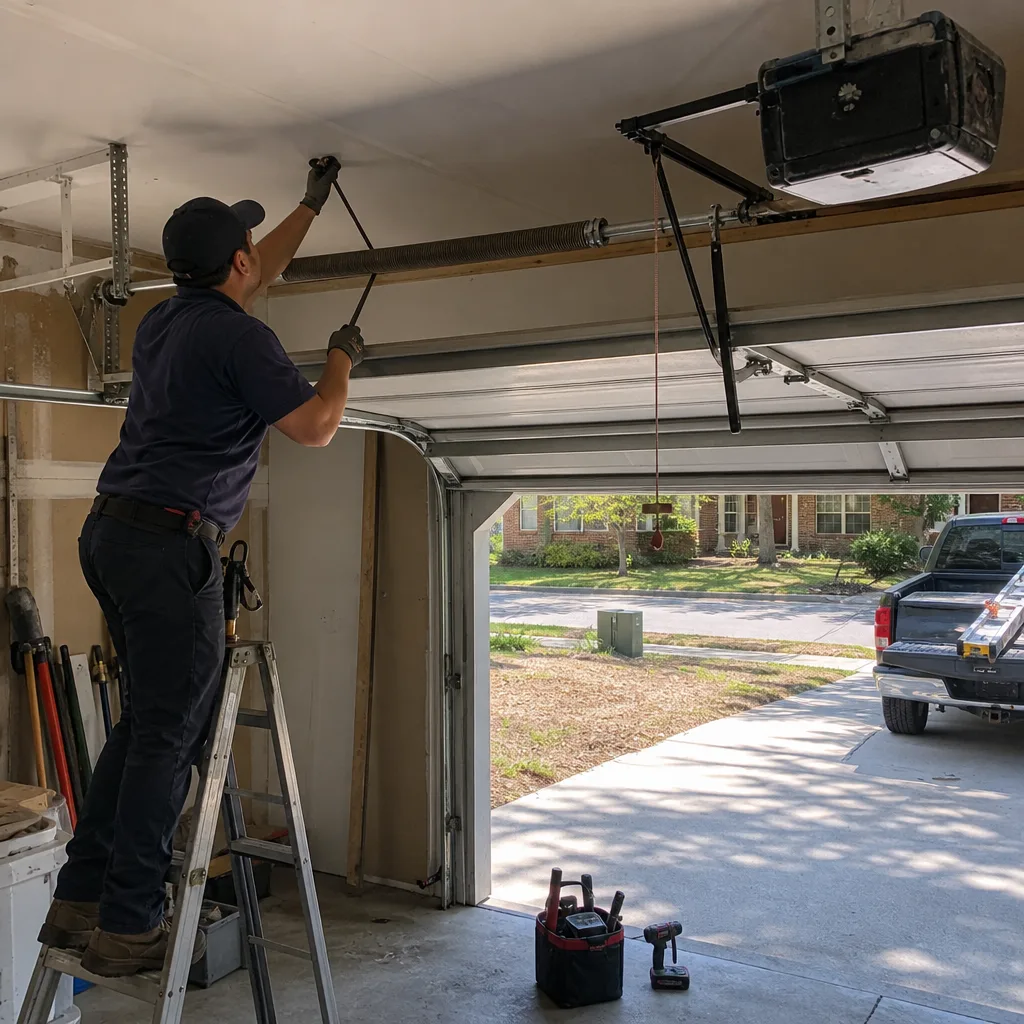
Every warning sign falls into one of two categories: a worn component that allows a planned, scheduled repair, or a failed component that requires same-day attention. The distinction is mechanical, not cosmetic. A worn part is still functional but degrading. A failed part has stopped doing its job.
Worn Components: Schedule Within a Week
These symptoms mean you have time. Not unlimited time, but enough to get a written estimate, compare it against another quote if you want, and schedule the work at a convenient time. Worn components produce audible or visible signals but the door still operates safely:
- Rollers with dry or failing bearings that rattle or grind but still roll
- Hinges that squeak or wobble but haven’t cracked
- A door that slightly vibrates during operation due to loose hardware
- Weatherstripping that’s cracked or peeling but still sealing
- An opener that’s slow to respond but still functions
- Minor track alignment issues that cause slow operation but no binding
These repairs typically run $80 to $250 in the McDonough market, depending on how many components need replacement. The key insight: worn parts wear predictably. A roller that’s grinding today will still be grinding in a week. You can plan around it.
Failed Components: Same-Day Attention Required
These symptoms mean the door is no longer operating the way it was designed to, and continuing to use it risks further damage or injury:
- A torsion spring that has broken, typically announced by a loud bang
- A cable that’s visibly frayed or snapped
- A door that slams shut or drops quickly
- A door that won’t stay open, indicating spring fatigue or failure
- A door that’s crooked when moving, indicating a broken spring or cable on one side
- A door that comes off the track
McDonough’s climate plays a role here. The region’s humid summers accelerate spring and cable corrosion, while the temperature swings between summer and winter put repeated stress cycles on metal components. If you’re evaluating contractors, our How to Hire a Garage Door Contractor in McDonough: A Step-by-Step Guide covers what to ask before any work begins. Springs fail more often in this area than in drier, more stable climates. A failed spring on a Monday morning is not a coincidence; it’s likely the final cycle after months of fatigue.
Our Garage Door Installation in McDonough page walks through what replacement looks like when a door has passed the point where component repair makes sense.
Warning Signs That Mean the Door Stays Closed Until Repaired
Some warning signs are maintenance reminders. Others are safety risks. The distinction is simple: if the symptom involves the door’s counterbalance system or its structural attachment to the building, the door stays closed until a professional looks at it.
Stop using the door immediately if you observe any of the following:
- A cable with visible fraying or broken strands. Cables are under high tension and fail catastrophically.
- A door that slams shut or drops quickly. The counterbalance system has failed.
- A loud bang followed by changed door behavior. A torsion spring has broken.
- A door that sags or tilts visibly to one side. A spring, cable, or track has failed asymmetrically.
- A door that comes partially off the track or makes contact with the track in a way it never did before.
- Any sign of the mounting hardware pulling away from the door header. The lag screws that hold the track and spring assembly to the framing are structural.
These are not adjustment issues. They are failures of components that hold stored mechanical energy. Torsion springs, extension springs, and lift cables are the three most dangerous parts of a garage door system. We do not recommend any DIY attempt on these components, even if a YouTube video suggests otherwise. The tension involved is enough to cause life-altering injury.
Maintenance-due signs that present no structural hazard:
- Squeaking or squealing from dry rollers or hinges. The door still operates safely.
- Weatherstripping that’s cracked or peeling. Cosmetic and energy-efficiency related.
- Exterior surface rust on panels or hardware that hasn’t compromised structural integrity.
- A remote control that needs new batteries or reprogramming.
The distinction matters because it tells you whether to schedule the repair for next Tuesday or clear the driveway and make the call now.
How to Document a Warning Sign With Your Phone Before Calling a Contractor
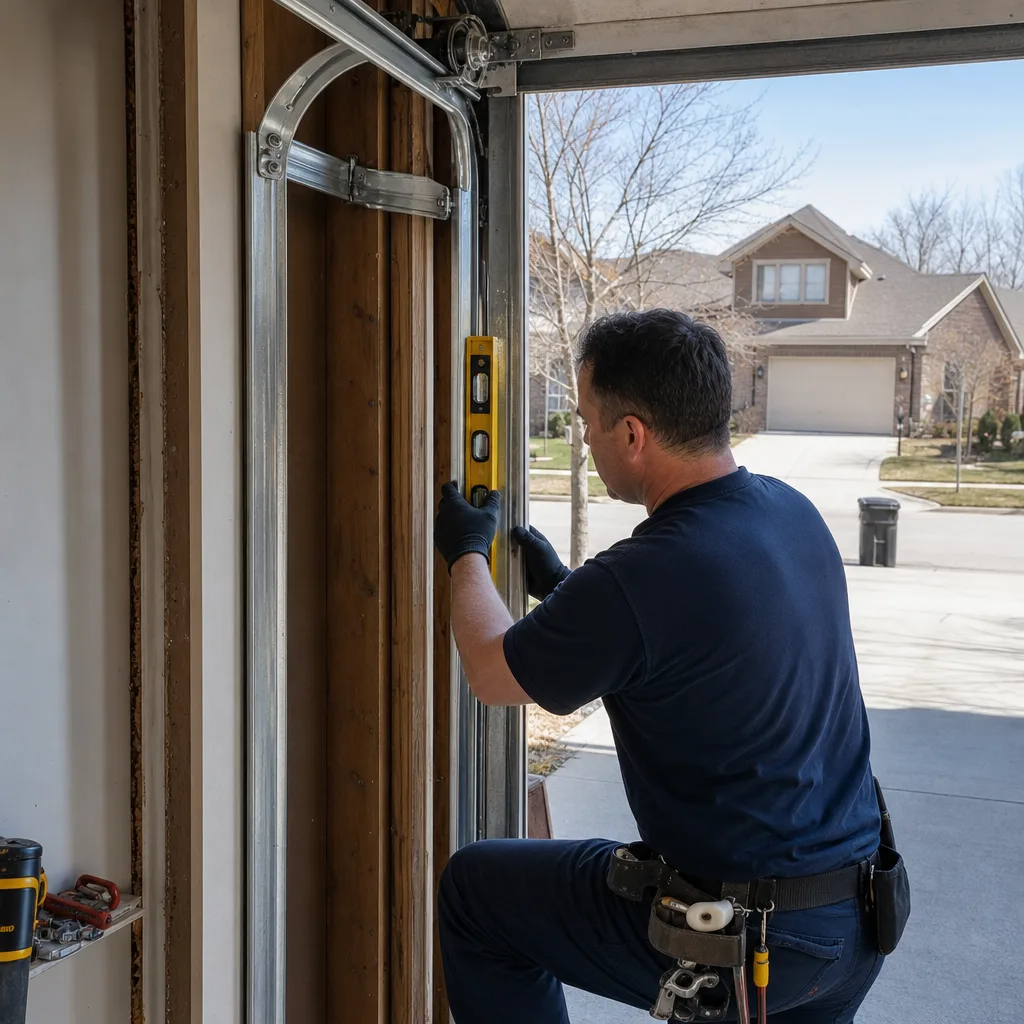
A timestamped photo or video is the single most useful piece of evidence you can bring to any garage door diagnosis. It confirms the symptom existed before any technician touched the door, and it gives the technician a reference point that survives the “it wasn’t doing that when I checked” problem.
This is not about distrusting a contractor. It’s about having a clear record, which is exactly what The Haven Standard, the written system that governs how Servo Garage Doors operates in McDonough, was built to produce. Clause 4 of that standard requires the technician to photograph the failed component before quoting a replacement. Evidence first, quote second.
Here’s the sequence we recommend:
- Record the sound. Open your phone’s voice memo app or video camera, and record 30 seconds of the door operating. Squeals, grinds, bangs, and rattles are all diagnostic data. A video that captures the door moving while the sound plays gives the technician a complete picture.
- Photograph the symptom. If a cable is frayed, get a close-up. If the door is crooked, take a full-width photo showing the angle. If a roller is visibly worn, photograph it where it meets the track.
- Note the time and date. Your phone’s metadata does this automatically. The timestamp matters because it establishes that the symptom predates any diagnosis or repair attempt.
- Test the manual lift. If it’s safe to do so, pull the emergency release cord and lift the door by hand. Photograph or video the result. If the door is heavy, note it. If it won’t stay open, note that too. This single test separates spring problems from opener problems.
- Send the evidence with your service request. A contractor who sees your video before they arrive arrives with a narrower diagnostic path and often the right parts on the truck.
The reason this matters in McDonough specifically: the local market has many capable technicians, but different companies follow different standards. Some still operate on verbal estimates and handshake agreements. The written-price-first approach is not universal. A documented symptom record protects you whether you’re hiring us or evaluating a competing written estimate under the Free Second Opinion policy, which applies to any written estimate from another company.
What Each Repair Costs in the McDonough Market
Here are the price ranges we see consistently across McDonough, including neighborhoods like Lake Dow, Heron Bay, Eagles Landing, and the commercial area along Highway 81 and I-75. For more guides & resources on garage door maintenance and repair, visit our blog. These are total job prices, including the part and the labor to install it, quoted before any work begins. That last point is not a courtesy; it’s the mechanism that makes a quote meaningful.
| Repair | Typical McDonough Price Range | Scheduling Urgency |
|---|---|---|
| Photo-eye sensor alignment or cleaning | $0 to $75 | Same day if door won’t close |
| Photo-eye sensor replacement | $75 to $125 | Same day |
| Limit switch adjustment | $65 to $100 | Same day |
| Roller replacement (full set) | $120 to $200 | Within a week |
| Track replacement (section or full) | $150 to $300 | Within a week, or same day if door is off track |
| Lubrication service call | $80 to $125 | Scheduled maintenance |
| Torsion spring replacement (pair) | $280 to $450 | Same day, door out of service |
| Torsion spring replacement (single spring, smaller door) | $180 to $250 | Same day |
| Extension spring replacement (pair with safety cables) | $180 to $300 | Same day |
| Cable replacement (pair) | $150 to $250 | Same day, door out of service |
| Drive gear replacement | $120 to $180 | Same day if door won’t open |
| Logic board replacement | $180 to $300 | Within a few days |
| Trolley carriage replacement | $150 to $220 | Same day if door won’t open |
| Opener replacement (full unit) | $350 to $600 | Scheduled within a week |
| Full door replacement | $1,800 to $4,500 | Scheduled, 2 to 4 weeks typical |
These ranges reflect what we see charged across the McDonough area, not just by us. The spread exists because doors vary by size, weight, spring type, opener type, and accessibility. A 16-foot double door with dual springs costs more than a single 9-foot door. A door with a second-story room above the garage may have a larger header and different track configuration.
What matters more than the exact number is the way it’s quoted. A flat, written price and a written scope delivered before work starts means the number on the quote is the number you pay. If you bring us any competitor’s written estimate in McDonough, we’ll provide a free second opinion on it, no coupon required.
Warning Signs That Mean Replacement Beats Repair
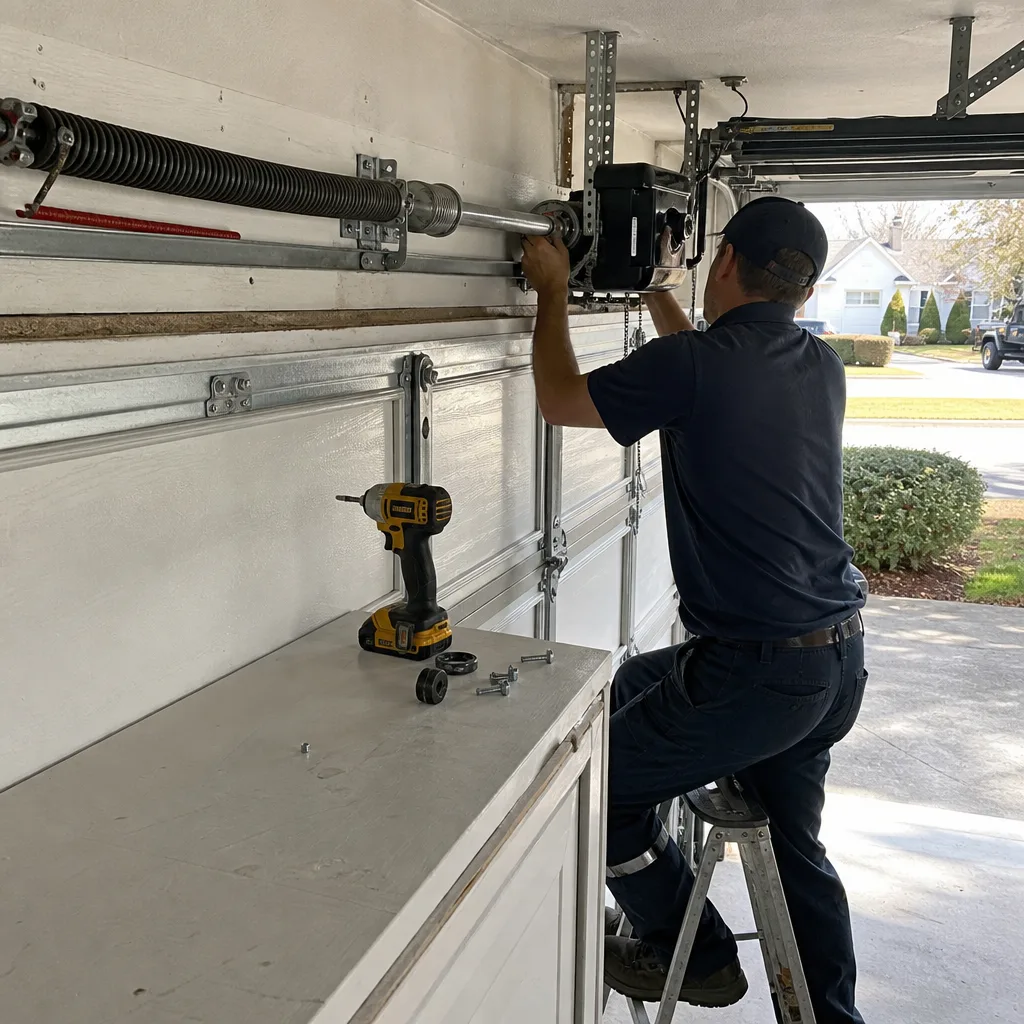
Some warning signs don’t point to a single failed component. They point to a door that has exceeded its service life, where component-by-component repair is no longer the rational economic choice.
Here’s the arithmetic. A garage door in McDonough typically lasts 15 to 20 years, depending on material, exposure, and maintenance. The components that wear, springs, rollers, cables, and hinges, have shorter cycles. Springs typically last 7 to 12 years. Rollers last 5 to 10 years. Cables last 8 to 12 years.
When a door approaches the 15-year mark and multiple components are wearing simultaneously, the cost of chasing individual repairs starts to accumulate. A spring replacement for $350 now, a cable replacement for $200 six months later, a set of rollers for $180 the following spring, and suddenly you’re $730 into a door that still has 15-year-old panels, tired insulation, and an opener approaching its own end of life.
Signs that replacement is the better path:
- The door is 15 years or older and has required two or more component replacements in the past 24 months.
- The panels show visible sagging or separation at the seams, indicating the door’s structural frame is failing.
- The insulation value has degraded to the point where the garage is noticeably hotter in summer and colder in winter, which matters in McDonough where summer temperatures regularly exceed 90°F.
- The door’s style or condition visibly detracts from the home’s curb appeal, and you’re planning to sell within a few years.
- Replacement parts for the door’s make and model are no longer manufactured and must be scavenged or custom-fabricated.
- The opener and the door itself are both originals. Replacing everything at once often costs less than replacing each separately over three years, because single-trip labor efficiency reduces the total bill.
The signs that point toward replacement. not repair, are more than a maintenance guide; they’re a financial planning tool. A new garage door in McDonough typically recoups a meaningful portion of its cost in resale value when you sell, and the operational reliability from year one eliminates the drip of repair invoices.
For a full look at what a new door involves, see our Garage Door Installation in McDonough guide, which covers material choices, insulation ratings, and the written-scope process from measure to final photo record.
What Makes McDonough Garage Doors Fail: Climate, Clay, and Construction
McDonough has a specific set of conditions that affect garage doors in ways that don’t apply to homes in other regions. If you’ve lived here through a July heat wave, you’ve felt them.
Humidity and Metal Fatigue
McDonough sits in Henry County’s humid subtropical climate zone. Summer humidity regularly exceeds 80 percent. Garage doors, especially those in unconditioned garages, are exposed to that humidity year-round. The result is accelerated corrosion on springs, cables, and hardware, particularly in garages where a vehicle is parked every night still radiating heat and moisture. Springs that might last 12 years in Denver last 8 to 10 years here. Cables develop surface rust faster, and rust concentrates stress at the point where the cable bends around the drum and bottom bracket.
Clay Soil and Slab Movement
Henry County sits on Georgia red clay, a soil type with a well-documented shrink-swell cycle. When it rains, the clay expands. When it dries, it contracts. This movement, repeated over years, causes minor shifting in garage slabs and framing. The result for your garage door is subtle but measurable: tracks that were perfectly aligned at installation may be off by a quarter-inch a decade later. That misalignment causes uneven roller wear, door binding, and eventually, broken components. Homes in neighborhoods built on cut-and-fill lots, common in the subdivisions along Jonesboro Road and Highway 20, are particularly affected.
Openers Under Load
McDonough’s climate doesn’t just stress the mechanical components; it stresses the electrical ones too. Heat is the enemy of the opener’s logic board, which sits inside the motor housing. Garages that reach 110°F or higher on summer afternoons age their openers faster. A Chamberlain or LiftMaster opener that might run 15 years in a cooler climate may fail at 10 to 12 years here. The symptom is usually intermittent: the door doesn’t respond, then responds, then doesn’t respond again, as the board’s solder joints expand and contract with each heat cycle.
This is what we mean when we say the door’s service life in McDonough is different from the national average. The same engineering that works everywhere else works here too, it just wears out faster.
For more on the repair side of this, our Garage Door Repair in McDonough page explains the diagnosis process in detail.
A Maintenance Schedule That Prevents Most Warning Signs
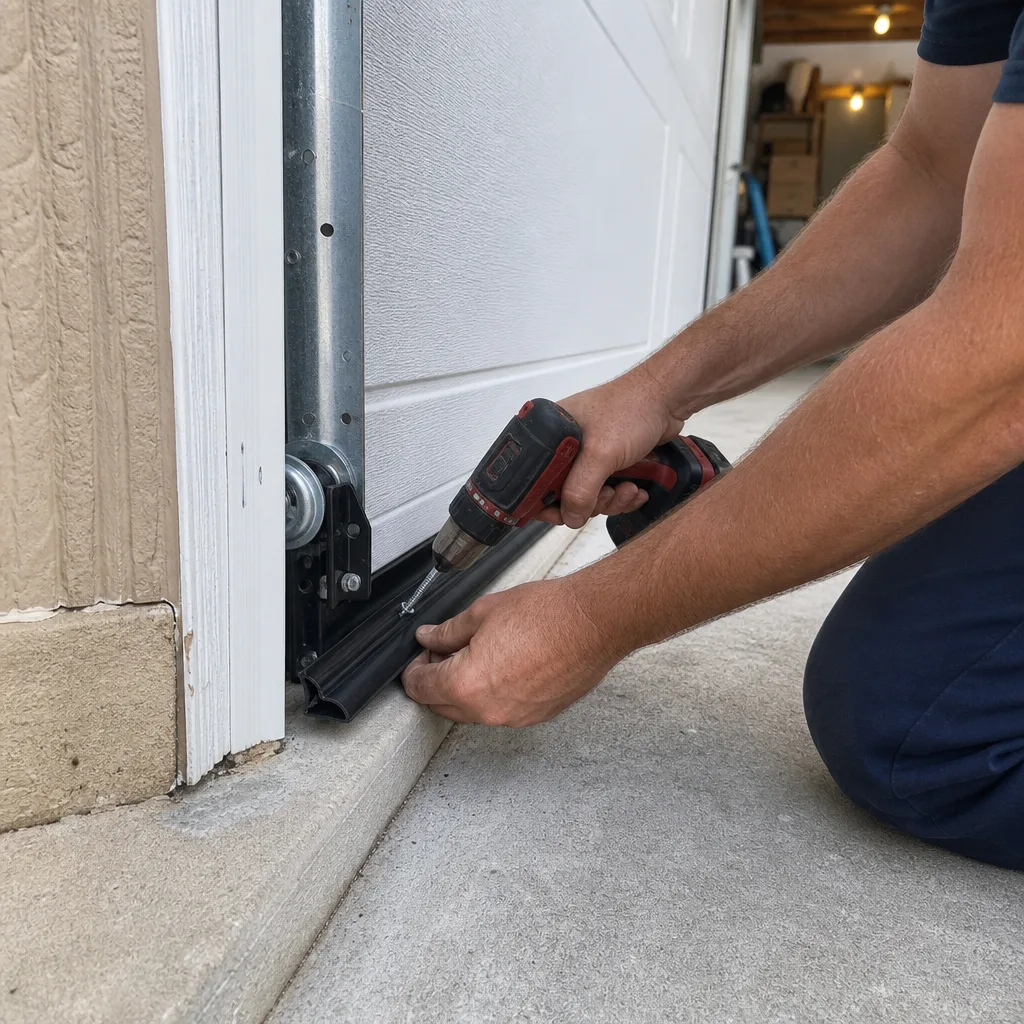
Most of the warning signs in this guide are preventable with a maintenance rhythm that takes about 30 minutes twice a year. The schedule below is what we recommend for McDonough homeowners, timed to the local climate.
Every 6 Months: The Basic Pass
- Lubricate the moving parts. Use a garage door specific lubricant, not WD-40, on the rollers, hinges, and torsion spring bearing plates. Do this in early spring and early fall. The spring bearing plates are where the most noise originates.
- Tighten the hardware. A socket wrench, not a power drill, on the lag screws, bolts, and nuts that hold the track and spring assembly to the framing. The clay soil’s movement works these loose over time.
- Test the balance. Pull the emergency release cord and lift the door manually. It should lift smoothly and stay open at the halfway point. If it doesn’t, the springs are fatiguing and will need replacement soon. This is the single best early-warning test available.
- Test the auto-reverse. Place a 2×4 flat on the ground under the door’s path and close the door. It should reverse when it contacts the board. This is a federal safety requirement, not a suggestion.
Every 12 Months: The Inspection Pass
- Photograph every component. Springs, cables, rollers, hinges, track brackets, and the opener rail. Compare the photos year over year. Cable fraying and spring fatigue are visible in photos even when they’re not obvious in person. This documented year-over-year record is the same principle that The Haven Standard’s photo record clause applies to professional service.
- Check the weatherstripping. The bottom seal and the side seals. Cracked or peeling weatherstripping lets in McDonough’s summer heat, winter cold, and the occasional snake or rodent.
- Inspect the opener’s drive system. For chain drives, check chain tension. For belt drives, check belt wear. For screw drives, check for unusual noise.
- Test all safety features. Auto-reverse on contact, photo-eye reversal, and the emergency release mechanism. Test each independently.
This schedule catches most problems while they’re still in the “worn but functional” category, where repairs are planned and scheduled rather than emergency calls at 9 p.m.
Common Mistakes to Avoid
- Assuming a reversing door means a spring failure. The photo-eye sensors cause most reversing symptoms, and the fix is often a simple alignment or cleaning that costs under $75. Spring replacements are sometimes quoted for this symptom, but a reversing door and a broken spring have nothing mechanically in common. Get a second opinion on any spring quote for a door that still lifts.
- Lubricating a spring that’s already broken. If the spring has snapped, no amount of spray lubricant will help. Worse, if the spring is merely fatigued and you lubricate it, you may temporarily mask the symptom while the underlying problem worsens.
- Ignoring a grinding sound because the door still works. A grinding roller is a failing roller. Every cycle it makes damages the track and the other rollers a little more. The $180 roller replacement becomes a $400 track repair if left long enough.
- Attempting DIY spring, cable, or track repairs. These components are under high tension and cause serious injuries every year. McDonough building code requires that all garage door work comply with manufacturer installation specifications, and the injury risk is not worth the avoided labor cost.
- Accepting a verbal estimate. In McDonough, some companies still operate on verbal agreements. A verbal estimate is not a price. A written price with a written scope is the only document that commits anyone to a number. If a company won’t put it in writing before the work starts, that’s a signal.
- Using WD-40 as a garage door lubricant. WD-40 is a water displacer and degreaser, not a lubricant. It strips away the existing lubrication and leaves moving parts drier than before. Use a lithium-based or silicone-based garage door lubricant instead.
- Replacing one spring instead of both. Springs are paired for a reason. When one fails, the other is usually at the same point in its fatigue cycle. Replacing both at the same time costs more upfront but avoids a second service call within months. In McDonough’s climate, where spring life runs shorter than average, this is particularly important.
When to Call a Professional
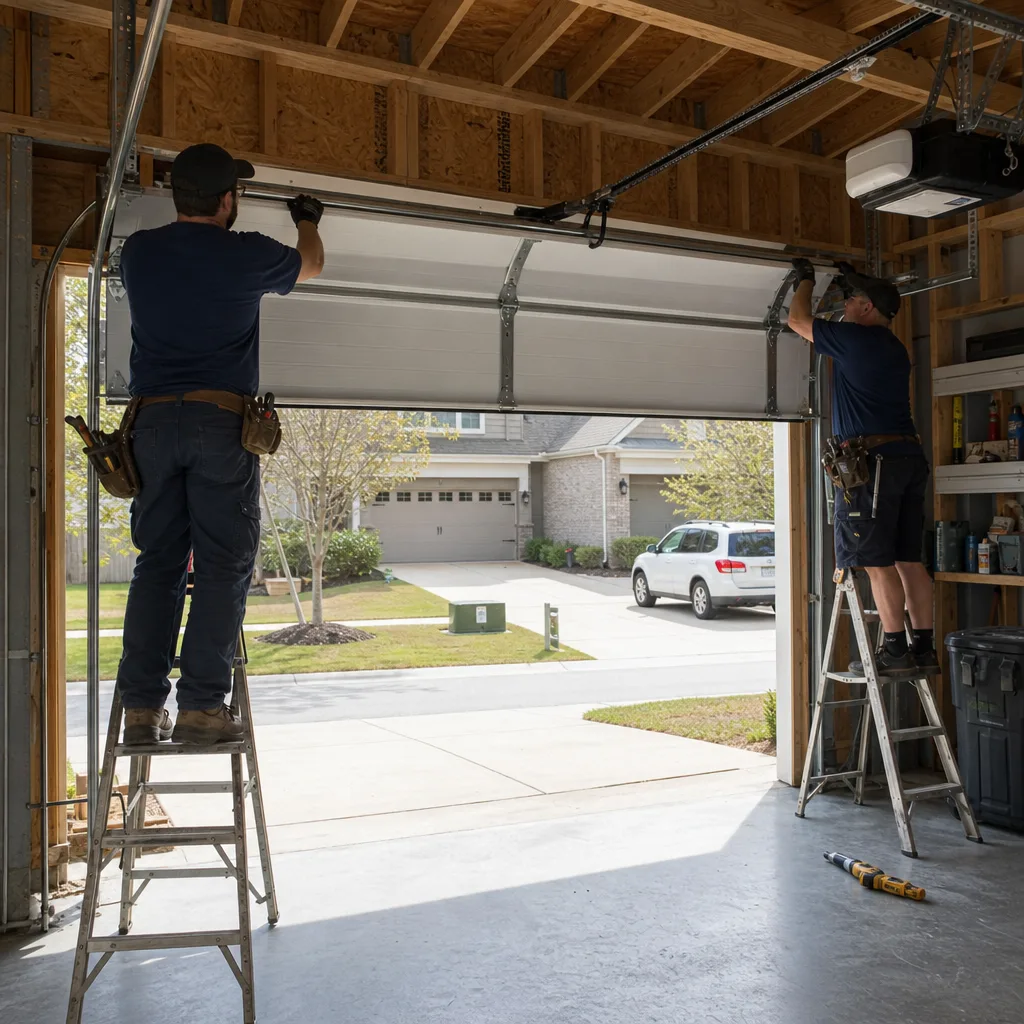
There are three situations that warrant an immediate call rather than continued observation: any symptom involving a broken spring or frayed cable, a door that has come off its track, or any sign that the mounting hardware is pulling away from the structure. These are safety emergencies. The door stays closed, and a professional handles the repair.
For everything else, a written estimate gives you time to make an informed decision. Servo Garage Doors McDonough operates on a written-price-first system: a flat, written price and written scope before any work begins, a documented photo record when the technician leaves, and a 365-Day Done Right Promise that means exactly what it says. If you’re in McDonough and want a free estimate from a company that will hand you the paperwork before touching the door, call (470) 928-4767. If you have a competing written estimate, bring it: the Free Second Opinion policy stands.
Frequently Asked Questions
Most garage door repairs in McDonough range from $80 to $450 depending on the component. A lubrication service call runs $80 to $125. Roller replacement runs $120 to $200. Torsion spring replacement runs $280 to $450 for a pair. Opener repairs run $120 to $300. Every Servo Garage Doors McDonough quote includes a flat, written price and a written scope before any work begins, so the price you see is the price you pay. Call (470) 928-4767 for a free estimate.
Yes. Servo Garage Doors McDonough answers calls with a live person 24/7, including holidays, and we dispatch a named technician with an on-the-way text, not a callback window. Emergency repair calls for broken springs, snapped cables, and doors off track are prioritized for same-day response throughout McDonough, including Lake Dow, Heron Bay, Eagles Landing, and the I-75 commercial corridor. Call (470) 928-4767 to reach a live person.
Will the price change once you see the door?
No. The written price and written scope are delivered before any work starts, per Clause 1 of The Haven Standard. If additional work is discovered during the repair, the technician photographs the finding and provides a new written price before proceeding. You approve every dollar before it’s spent. Our
Related Pages
Request a Free Estimate in McDonough
Tell us what you need - Servo Garage Doors McDonough responds fast. No obligation.