
Full 25-point door and opener safety check with every visit - springs, cables, rollers, tracks, and your LiftMaster or Chamberlain opener included
You get a price before we start. It does not change when the truck arrives.
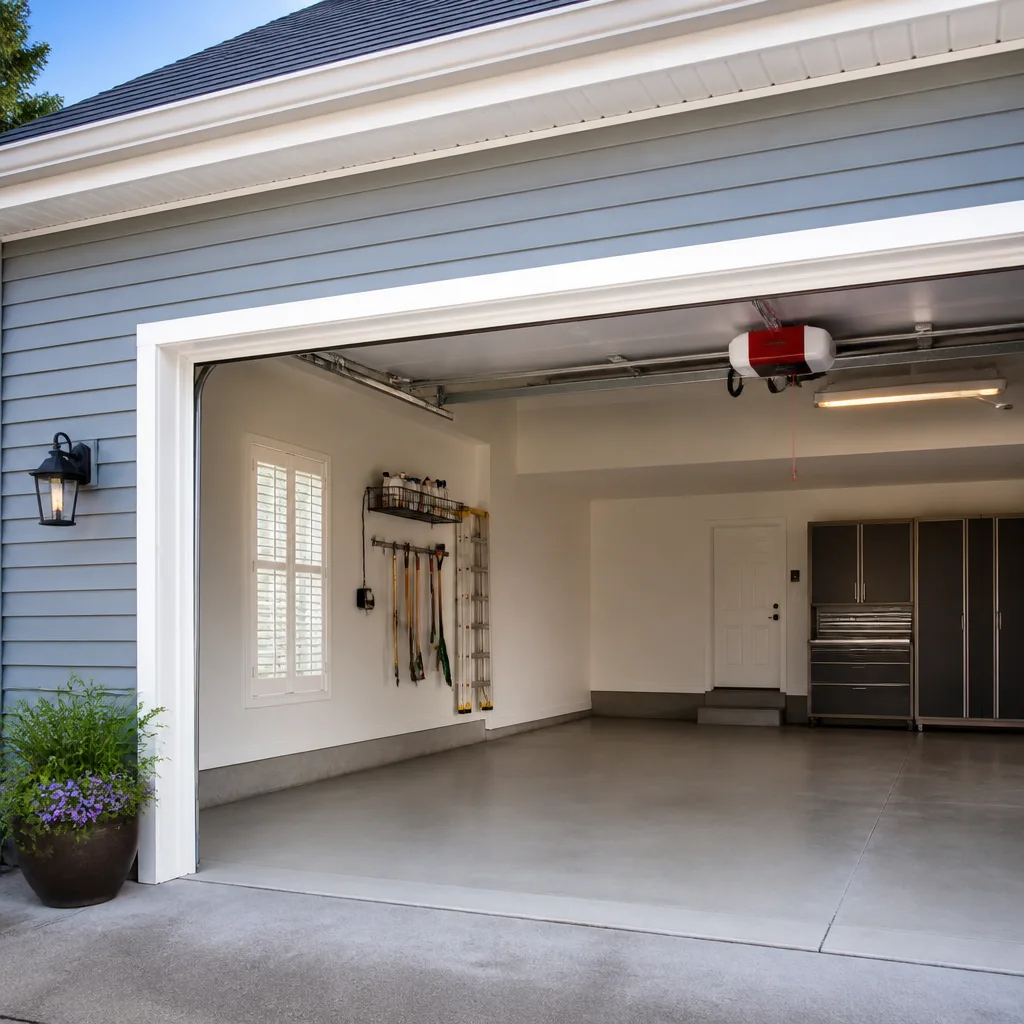
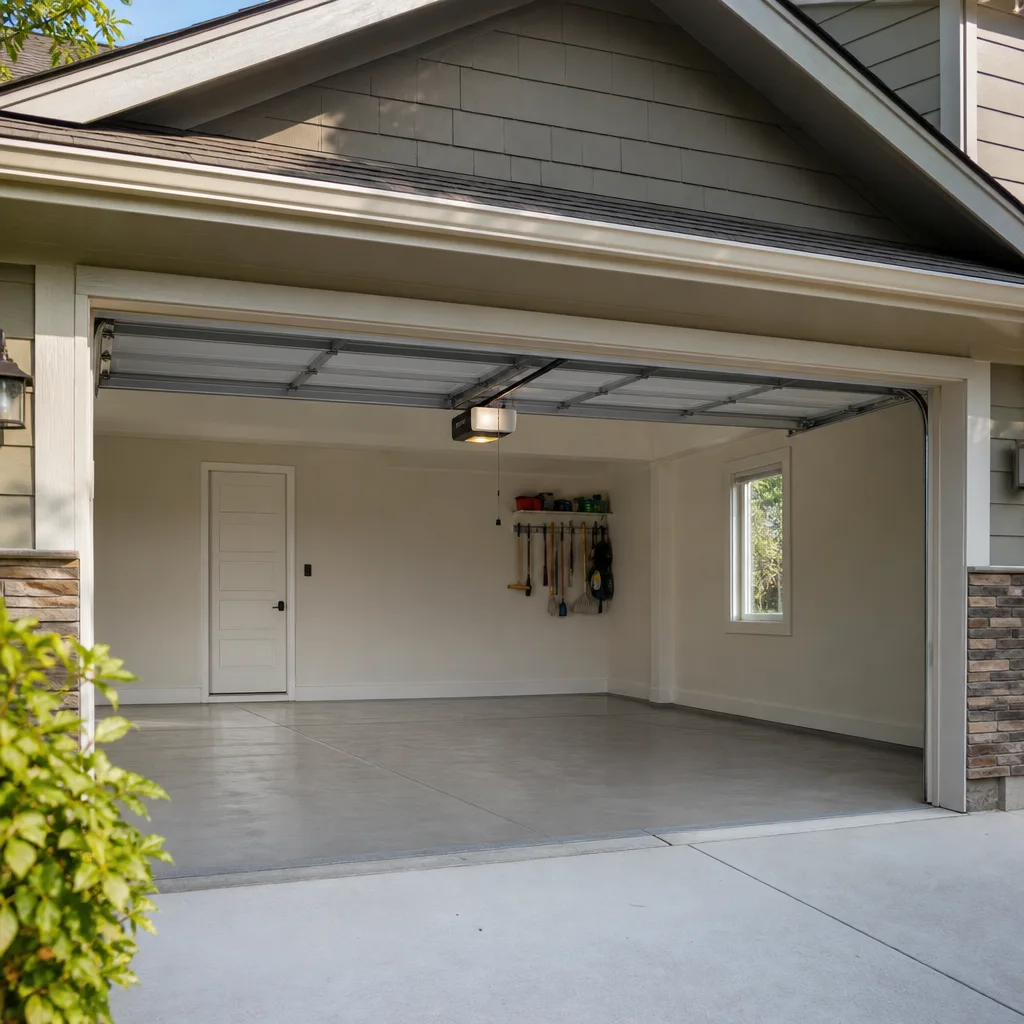
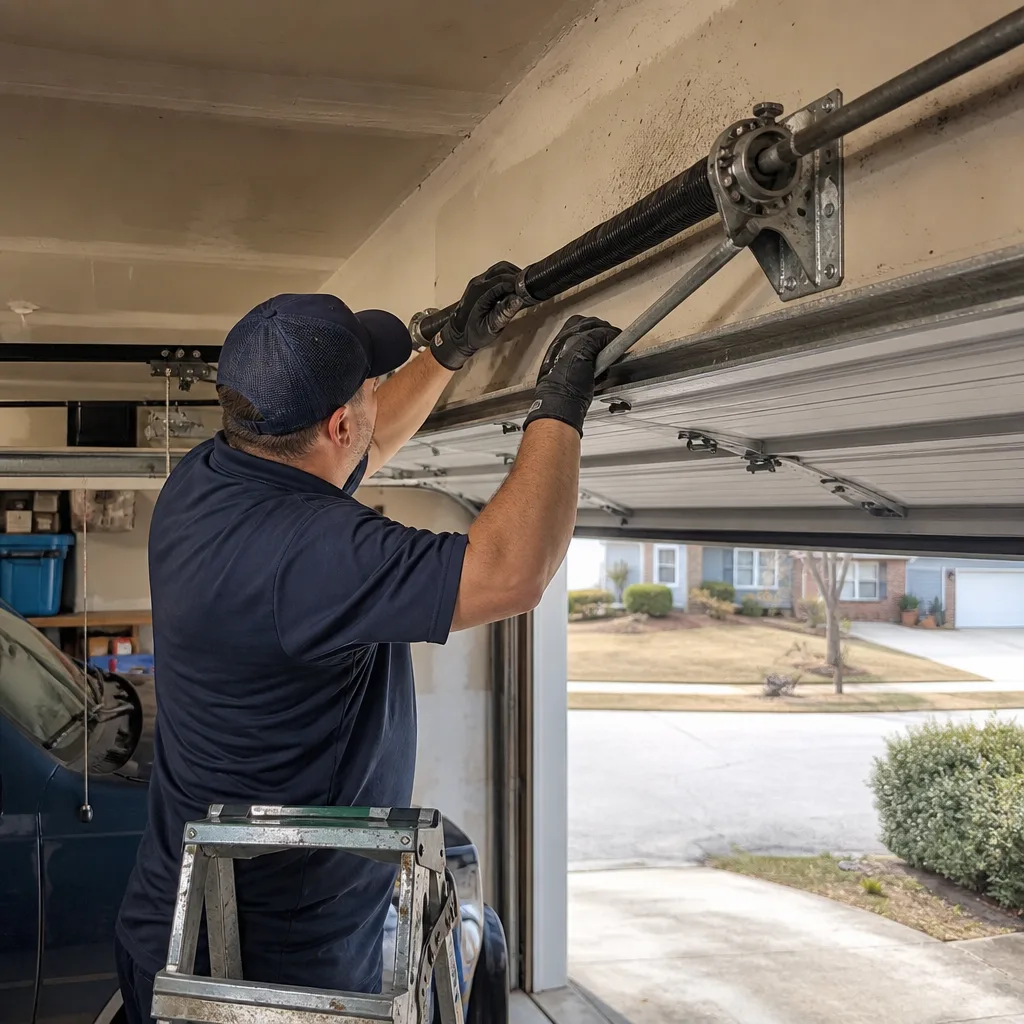 Before
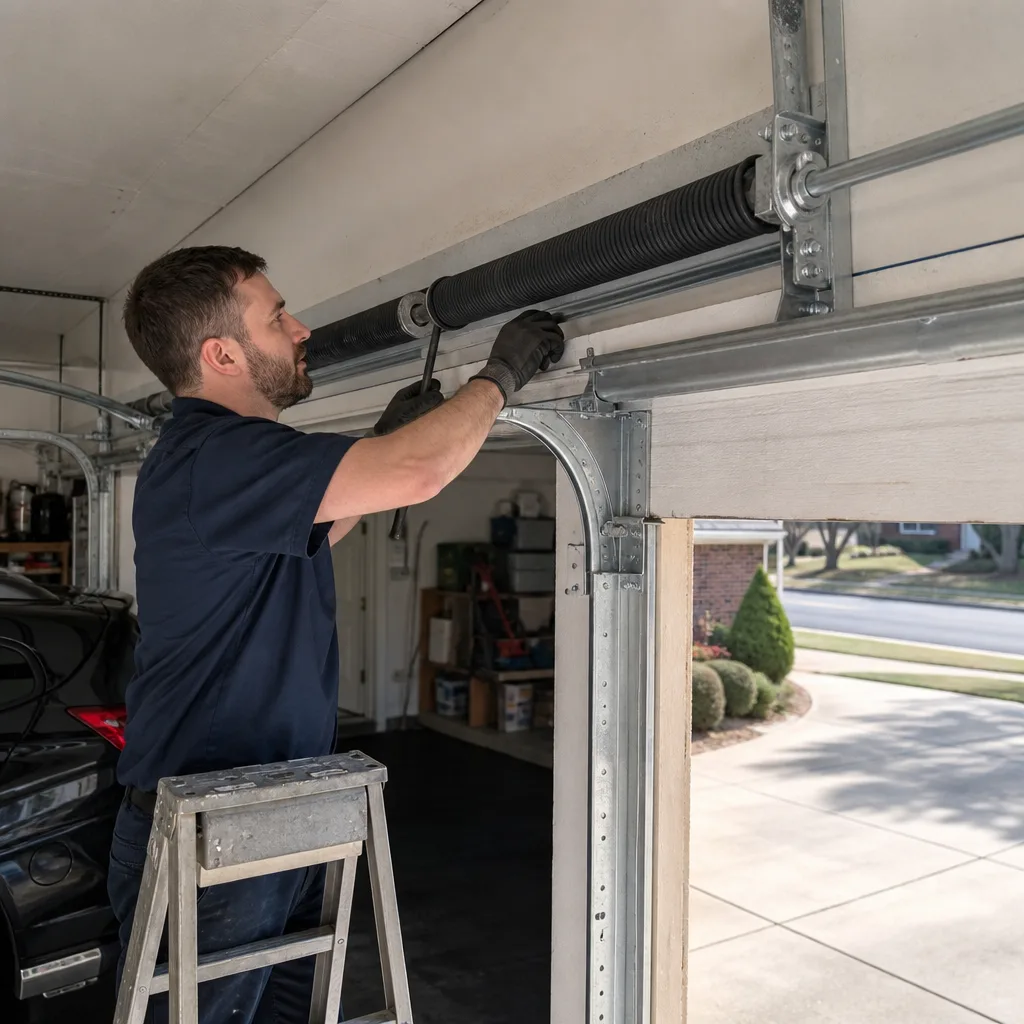 After
After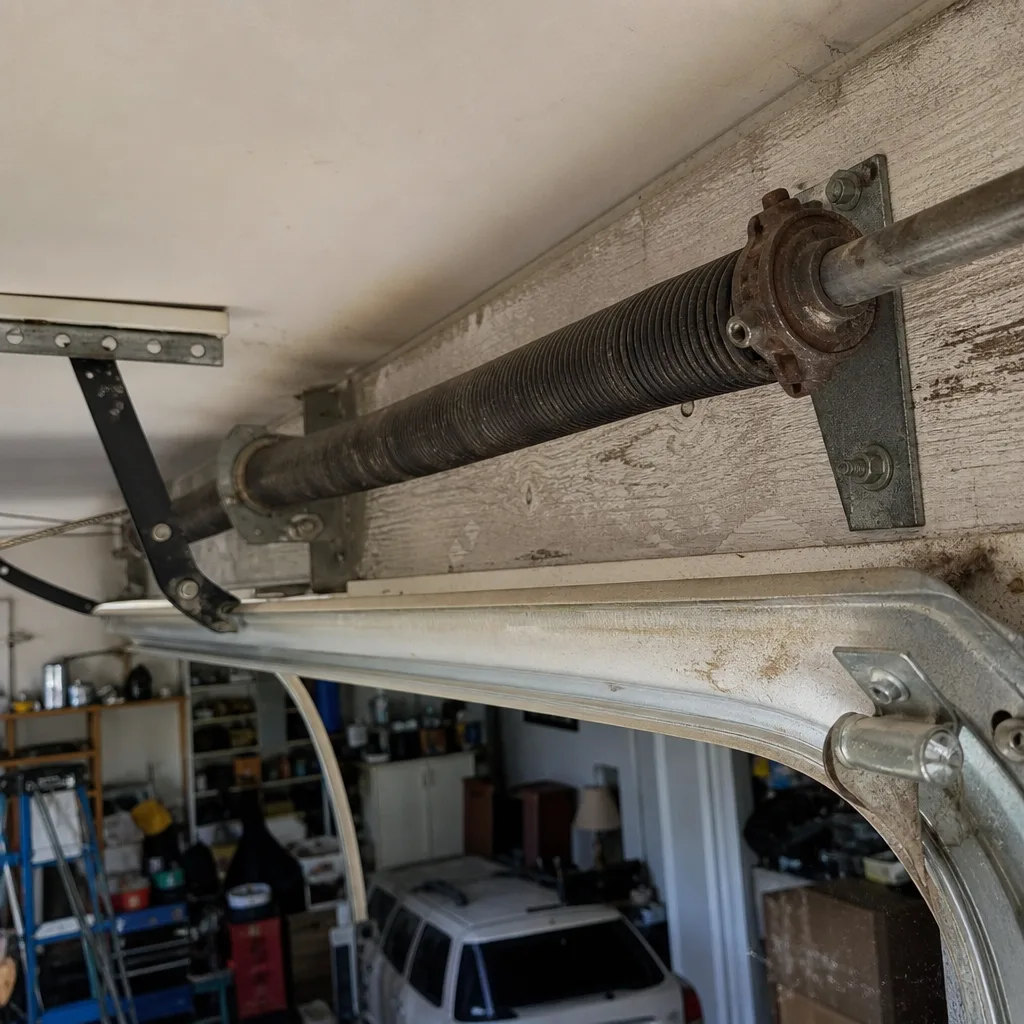 Before
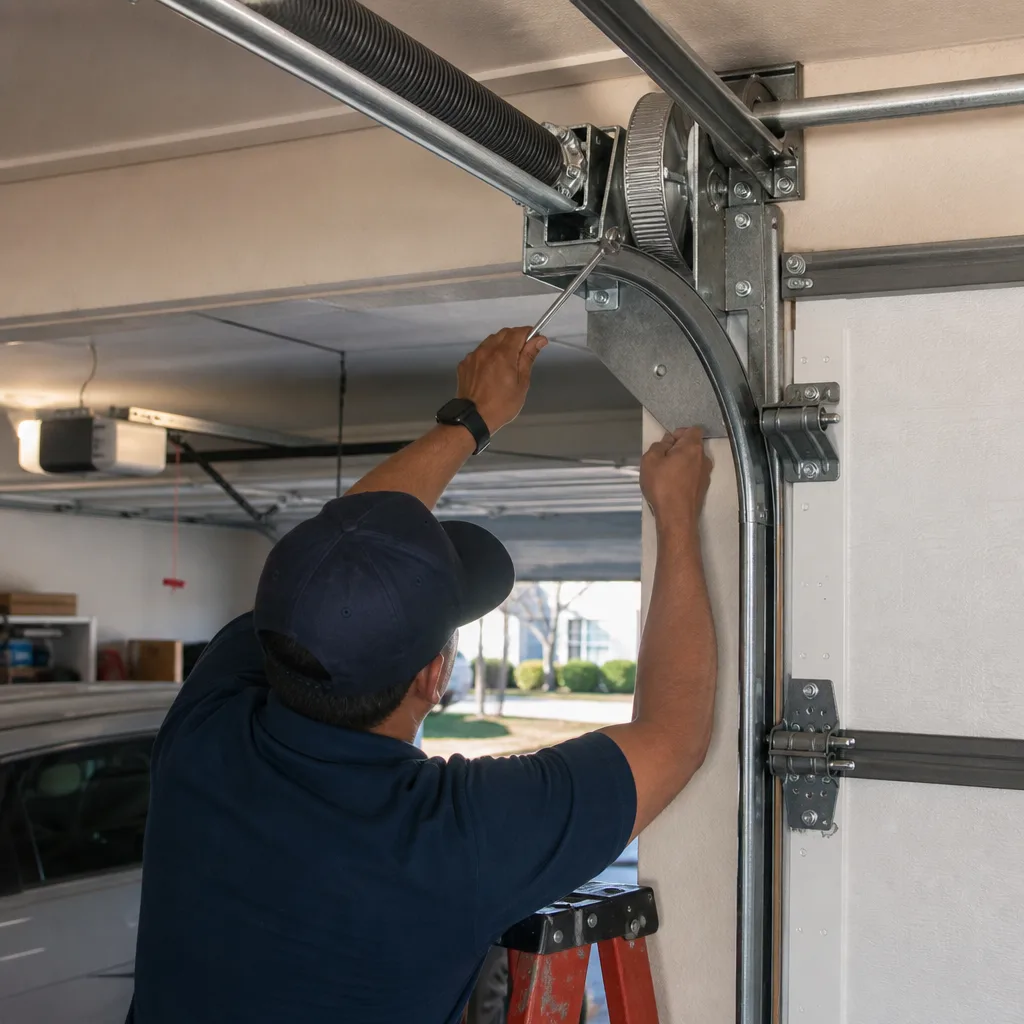 After
After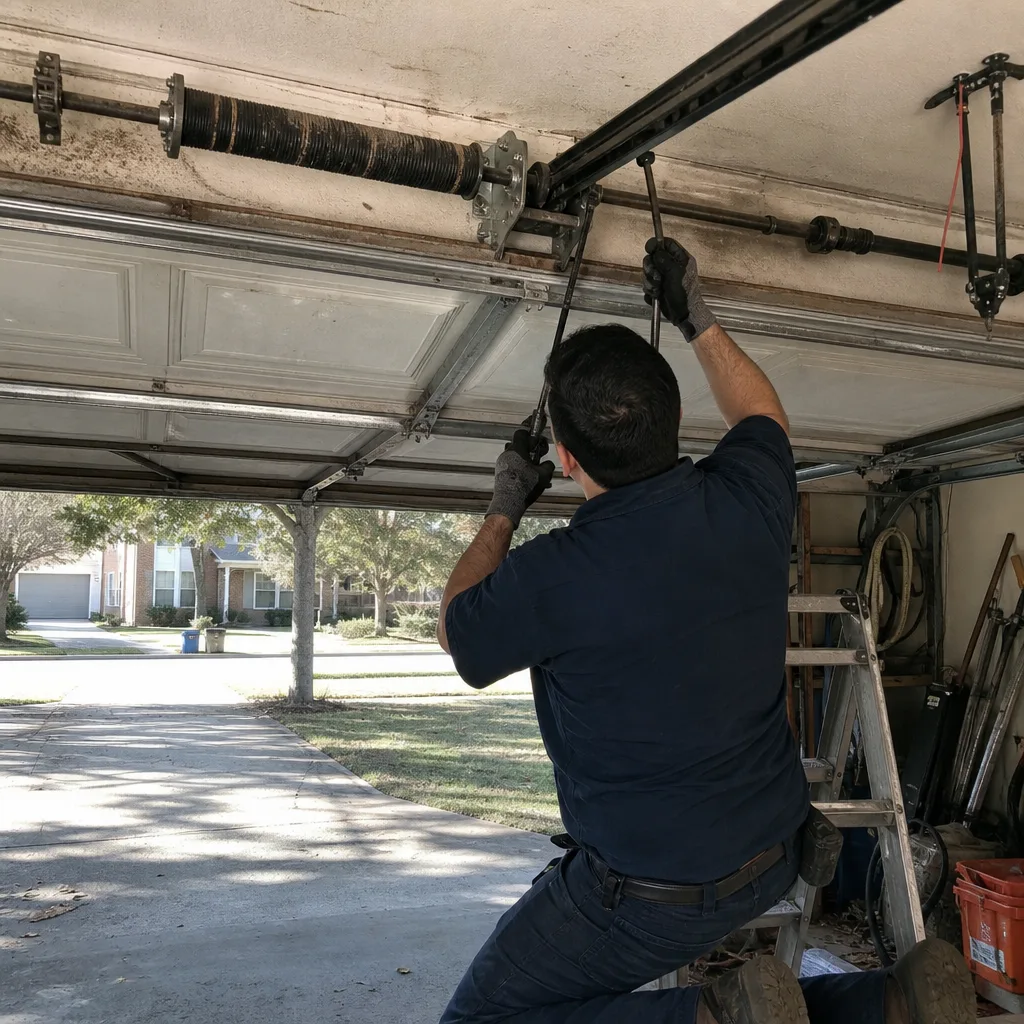 Before
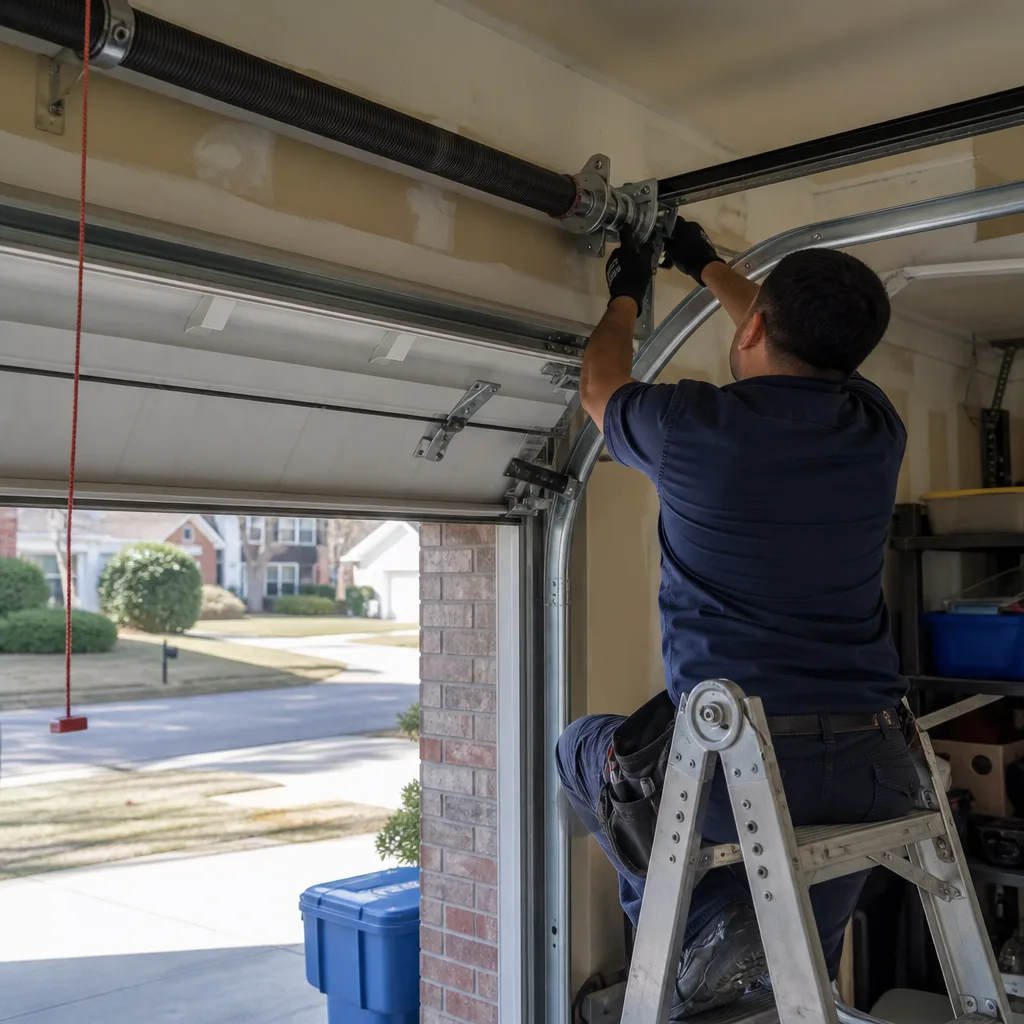 After
AfterLiftMaster Weather Seal Replacement: The McDonough Owner’s Guide
We stock and install LiftMaster-compatible weather seal replacement in McDonough, GA, with typical installed pricing between $110 and $220 depending on door width, seal profile, and the condition of the aluminum retainer channel. Most replacements are done same-day because we carry the common profiles and lengths on the truck. You’ll usually discover this part has failed the same way every other McDonough homeowner does: a shaft of daylight under the door, a wet line across the garage floor after a summer storm, or leaves and pine needles that keep appearing just inside the door despite nobody leaving it open.
Marcus Deller, Owner at Servo Garage Doors McDonough, will tell you the same thing he’s told homeowners in the subdivisions around Nash Farm Battlefield for years: the weather seal on a LiftMaster door is a replaceable wear item, not a door problem. It’s the cheapest component that keeps the most expensive consequences out: water, rodents, humidity, and the utility bill that climbs when conditioned air leaks under the door.
Which LiftMaster Models This Applies To
This isn’t a page for the opener. We mean the bottom weather seal on LiftMaster residential garage doors, the rubber or vinyl strip seated in a retainer channel along the bottom edge of the door section. The part number on the seal itself rarely tells you much useful, because LiftMaster stamps replacement parts differently than the door they originally shipped. What matters is the retainer style and the rubber profile. T-style ends fit into extruded aluminum channels with a center ridge; bead-style ends press into round channels common on doors built before 2005. Both are common on LiftMaster doors throughout McDonough because the suburban stock here spans two decades of construction.
There’s one compatibility gotcha worth knowing before you buy any seal online: a LiftMaster door with an aluminum retainer bracket that bolts onto the bottom section will accept a T-style seal of matching width, but the depth of that groove varies by a few millimeters between the 1.5-inch and 2-inch retainers. Order the wrong depth and the seal pops out every second cycle. That’s the part number trap. “The part number tells the story. Everything else is just paperwork.” In most McDonough homes we service, the lift cable design and seal profile also differ between LiftMaster and the Chamberlain doors that share a corporate parent, which is another way of saying a Chamberlain seal generally does not seat correctly in a LiftMaster channel despite what catalog cross-references claim.
On the OEM-versus-aftermarket question: for LiftMaster doors we recommend OEM seals in most cases, particularly if the door is under 10 years old and the aluminum retainer is still straight. Aftermarket T-style seals from quality suppliers can work fine, but the durometer and UV stabilizer package vary enough that we’ve seen cheap versions crack at the fold within 18 months in Georgia sun. Servo Garage Doors McDonough is an independent service provider, not affiliated with LiftMaster, and we stock parts for all major brands, including Chamberlain and Genie.
Signs Your LiftMaster Weather Seal Replacement Is Failing
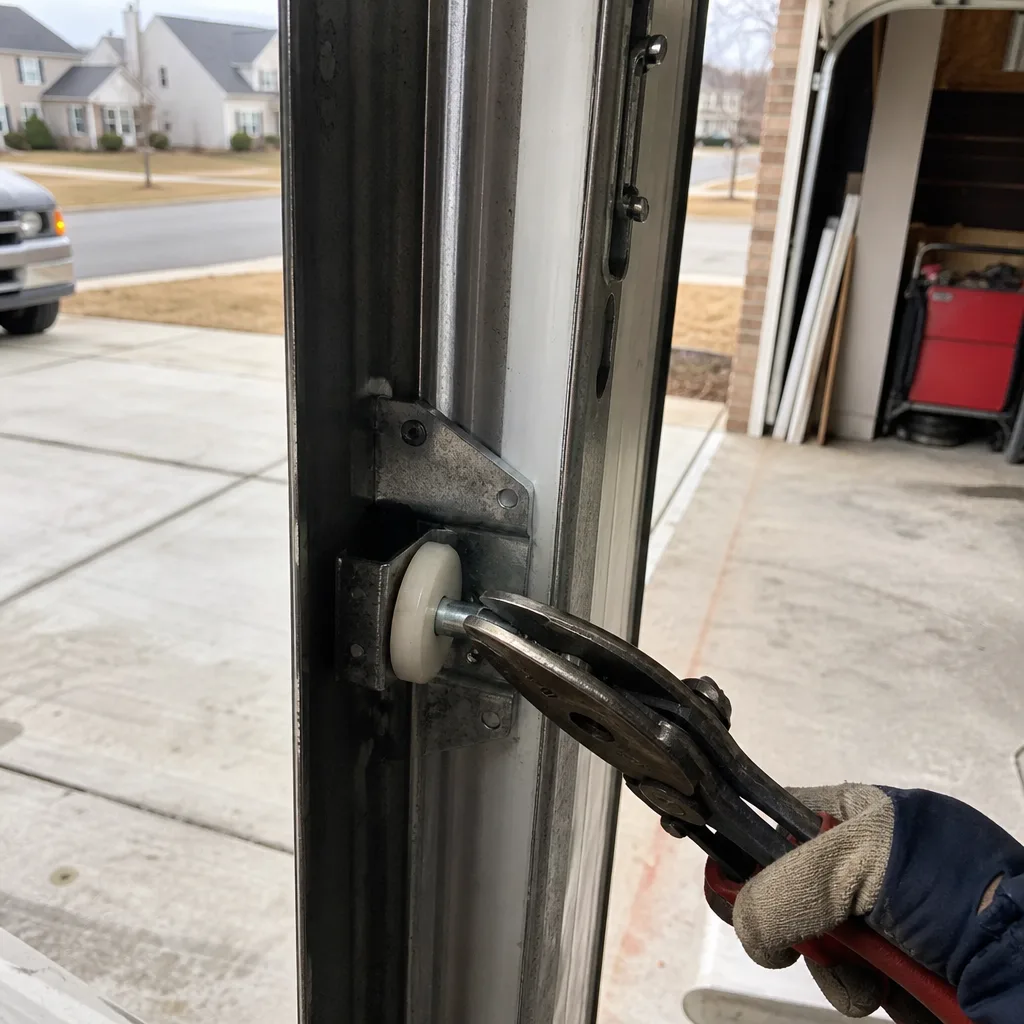
- Daylight under the door corners. The seal has compressed or split at the ends where it folds most sharply. Moisture and insects take this route first, and in McDonough’s clay-heavy soil, that means ants and dampness move in faster than you’d expect.
- Frayed or ragged bottom edge. Over years of contact with the driveway, the seal edge roughs up like a used eraser. Once the lip is gone, the seal no longer makes a positive contact at the bottom and loses its thermal and pest barrier before it stops looking torn.
- A water line along the inside of the door. After a hard Henry County thunderstorm, check the floor just inside the garage. A failing seal that isn’t flashing daylight yet can still be allowing storm runoff through.
- Increased dust and pollen inside the garage. In spring, McDonough sits under yellow pine pollen every week for a month. The same seal that keeps water out keeps that fine dust out, and if you’re seeing a film of pollen on the car hood, the bottom seal isn’t closing the gap.
- Rodent chew marks on the seal itself. Mice will gnaw through weather seal material, especially in the cooler months when they’re looking for a place to nest. This environment also holds moisture, so when the bottom edge of a garage door sits in the shade with poor drainage, rot sets in faster than homeowners expect.
If the bottom seal on your LiftMaster door looks aged but still intact, a quick inspection of how it sits under a flashlight at night will show you what the daytime doesn’t.
BeforeAfterReplacement Cost & What’s Included
In McDonough, LiftMaster weather seal replacement runs $110 to $220 installed, depending on the retainer style, the seal material, and the width of your door. A single-car door will be on the lower end of that range, a 16-foot double on the upper. The labor is straightforward on most doors: remove the old seal, clean out the retainer channel, cut and seat the new length, and test the door’s contact across the full width. We always quote the exact price and written scope before we touch anything, per Clause 1 of The Haven Standard. That number is the number on the invoice, not an opening bid.
What’s included in a seal replacement with us: the new weather seal, on-site cutting to your door width, removal of the old material, and a documented photo record of the new seal installed and the old one before it was pulled. Marcus’s crew photographs the failed part before quoting a replacement, which is Clause 4 of The Haven Standard and also just common sense when you’re spending money on a part you can’t easily see from the curb.
DIY or Call Us?
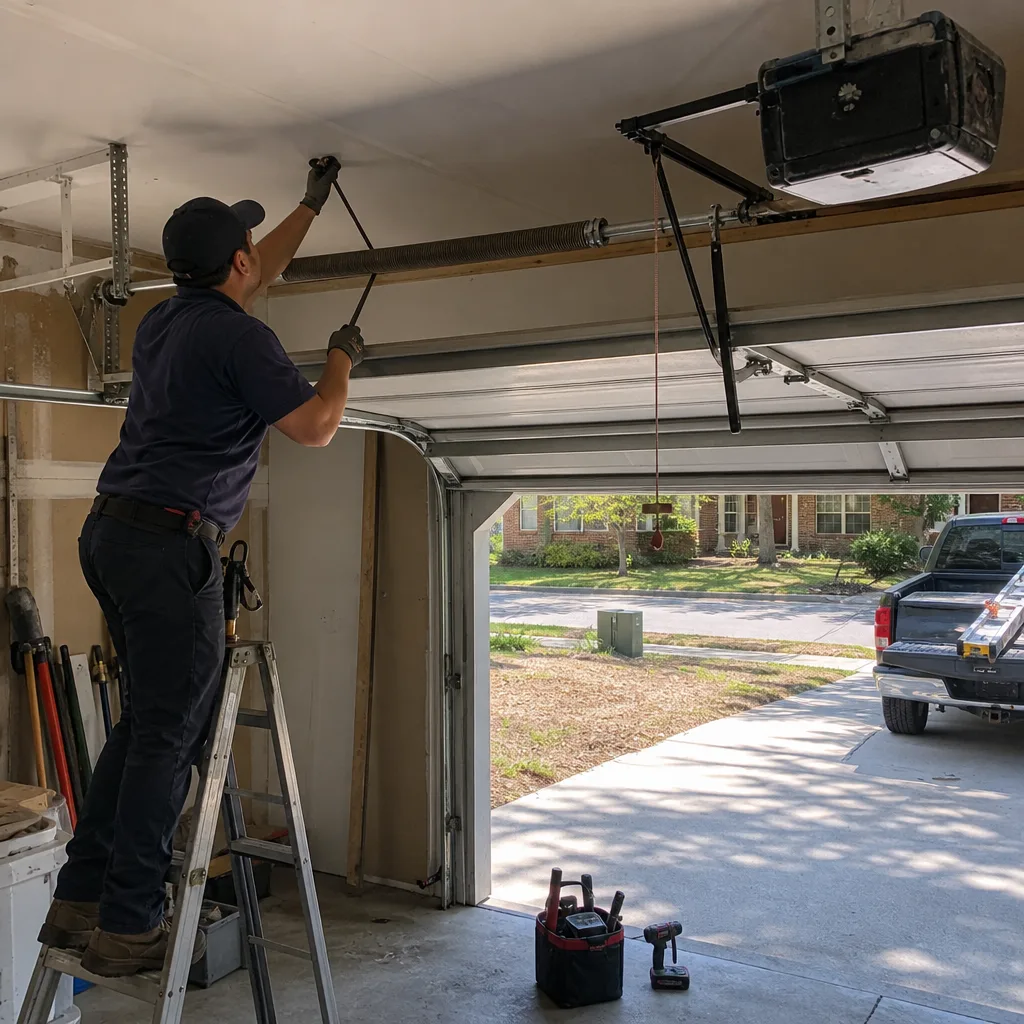
You can inspect the bottom seal yourself safely. Slide a piece of paper under the closed door at three or four places along the threshold; if it slides freely through anywhere, the bottom seal or the door’s travel limit is the issue. You can also look at the seal ends visually and run your fingers along the bottom bar to check for brittleness or cracks. Nothing about this inspection requires a ladder or tools beyond a flashlight, and it’s useful for you to know what you’re looking at before any quote is given.
Actually replacing the seal is different. The old seal has to come out of the retainer channel without tearing it, which is more involved than a simple pull-through on older doors where the seal has hardened and fused in Georgia heat. On LiftMaster doors with the 1.5-inch T-style channel, the seal tends to grip tight after years of compression. Doing this from the outside of a raised door or with the door partially open under spring tension isn’t worth the risk of a pinched hand or a dropped door. In our experience, the homeowners who attempt this end up paying us to redo it after the seal pops loose mid-cycle, sometimes taking the retainer with it. Call us at (470) 928-4767 and we’ll give you an exact price before the work starts.
Frequently Asked Questions
Plan on 4 to 6 years for a LiftMaster weather seal in McDonough’s summers, which bake both the seal material and the bottom door section in heat that reaches well into the 90s for months at a time. Southern exposures fail fastest; a north-facing door on a shaded lot will last longer. We see the compromise first at the fold points, where the rubber flexes every time the door cycles open or closed.
Weather seal is a replacement part, not a repair part. The material is one continuous length, and once it’s torn or cracked anywhere along the bottom, the failure point has become a permanent entry for water and pests. Caulking or adhesive patches only hold for a few cycles before they fail on a moving component. The correct fix is removing the old seal and seating a fresh one.
For a standard 16-foot LiftMaster door, seal replacement takes 45 minutes to an hour on site. The work involves cutting and pulling the old seal, cleaning residue and debris from the retainer channel, seating the new material, and testing door travel and contact. If the retainer channel is damaged, the repair takes longer, but we’ll tell you that after we see it, not after we start.
Yes, we stock common T-style and bead-style profiles in both single-car and 16-foot lengths, along with the retainer brackets for older LiftMaster doors. If your door needs a less common profile, we can source it and schedule the install, usually the next day. Call (470) 928-4767 with the door width and whether you have a T-style channel or a bead channel, and we’ll confirm the part before we arrive.
If your LiftMaster weather seal is gone, call Servo Garage Doors McDonough at (470) 928-4767 for a free, written estimate. We’ll name the part, the price, and the time it takes before anything comes off the wall.
Written by Marcus Deller, Owner, Servo Garage Doors McDonough at Servo Garage Doors McDonough, serving McDonough and nearby areas.