
Full 25-point door and opener safety check with every visit - springs, cables, rollers, tracks, and your LiftMaster or Chamberlain opener included
You get a price before we start. It does not change when the truck arrives.
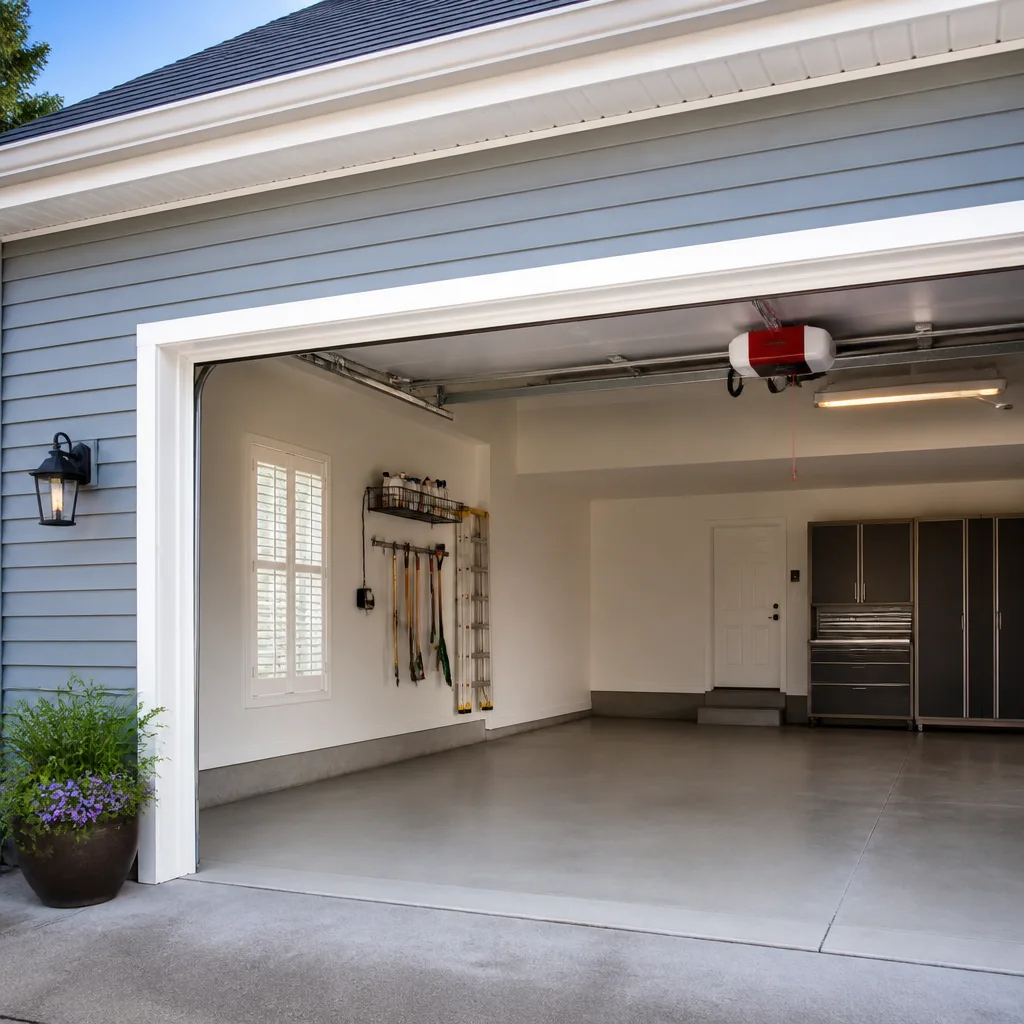
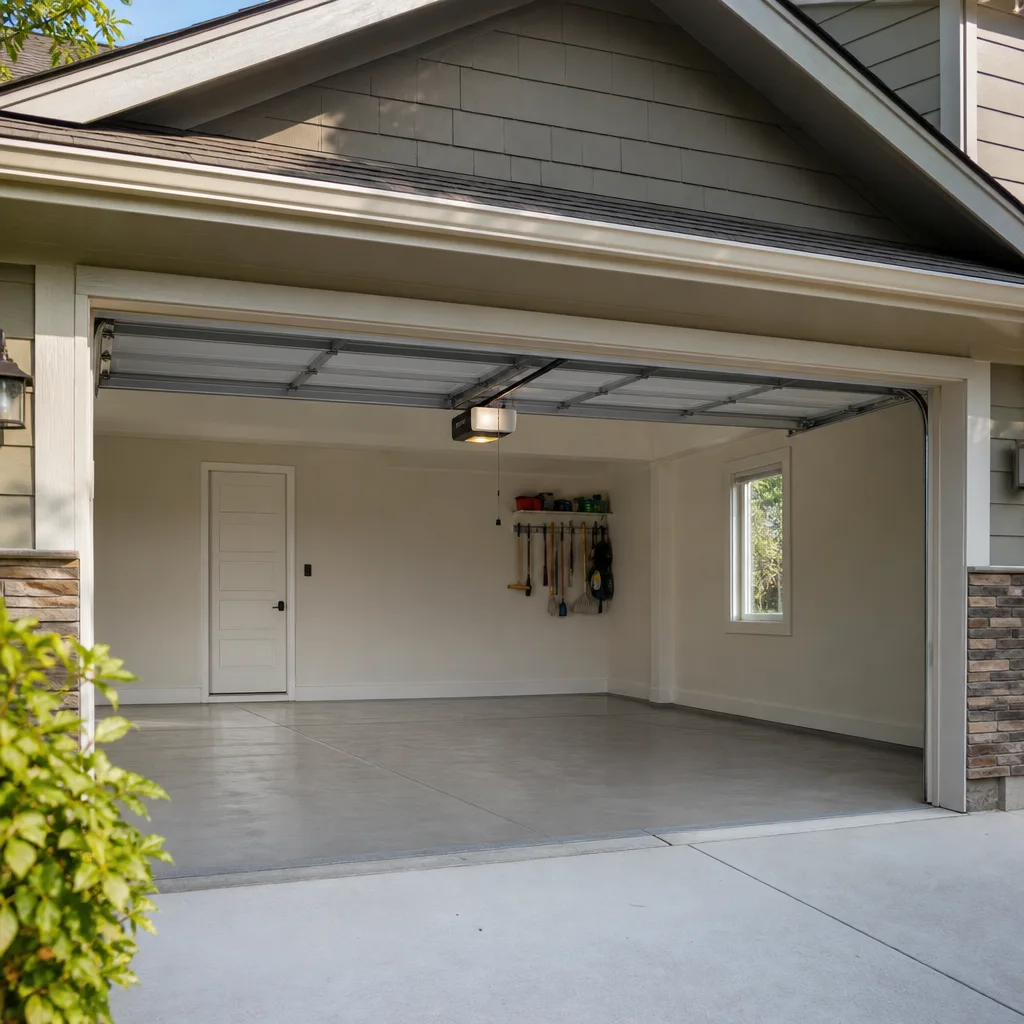
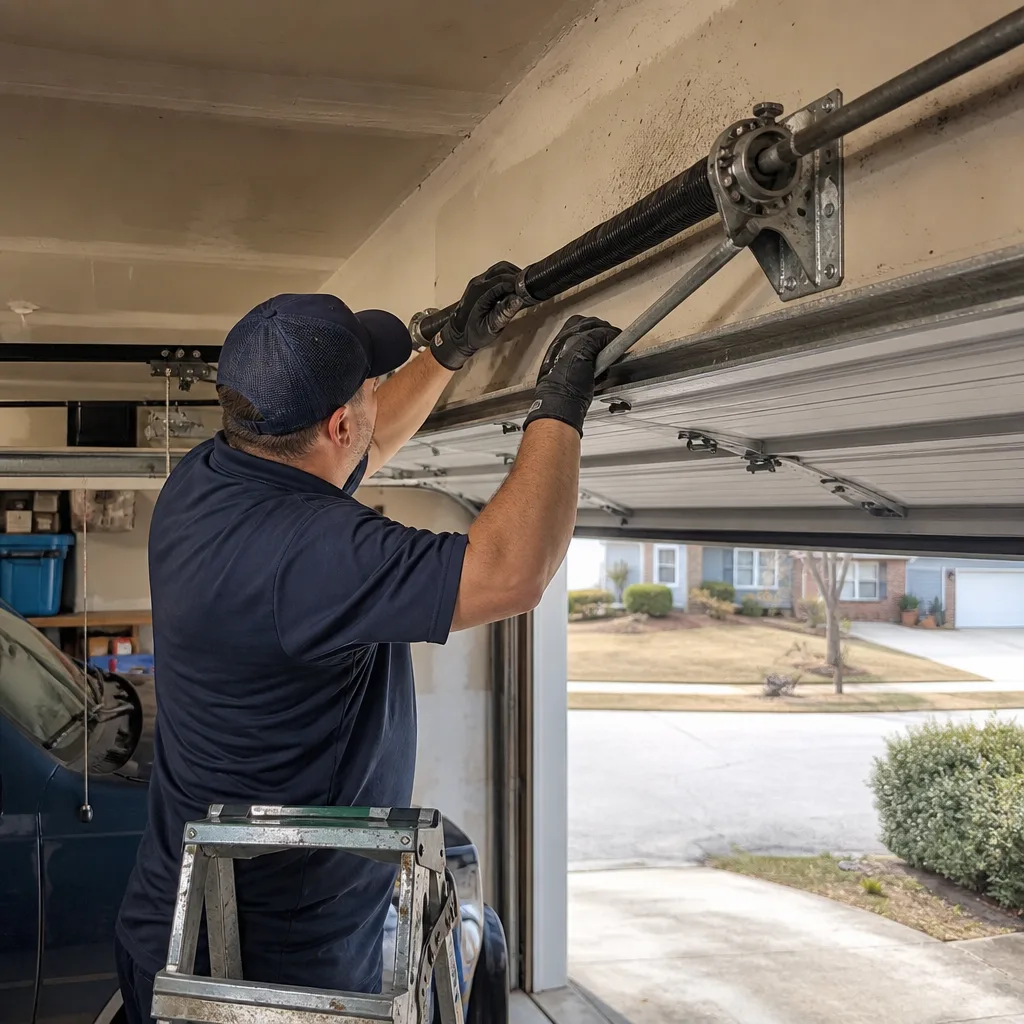 Before
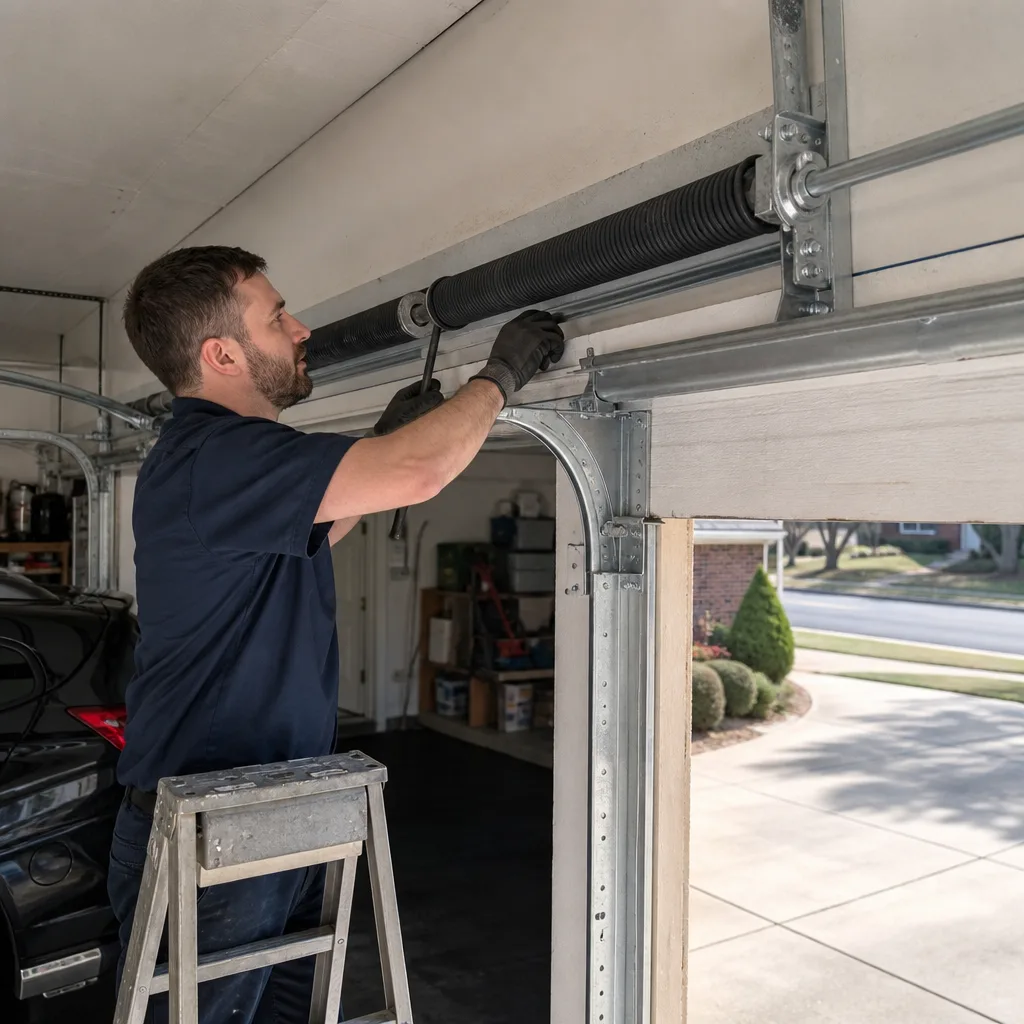 After
After Before
 After
After Before
 After
AfterCraftsman Weather Seal Replacement: The McDonough Owner’s Guide
We stock and install Craftsman-compatible weather seal replacement in McDonough, typically between $110 and $220 installed depending on your door’s width and current hardware condition. Most swaps take under an hour once we’re on site, and we carry the common sizes on the truck so there’s no second trip. You usually find out the seal has failed the same way every homeowner does: a rope of daylight under the door, a room that won’t hold temperature, and a strip of rubber that crumbles when you touch it.
That crumbling is the story. Georgia humidity, McDonough’s clay-heavy soil that shifts with every wet season, and doors that get cycled four or five times a day all work the bottom seal harder than most people realize. When it goes, it goes fast: one week it’s soft, the next it’s split at the corner and you’re sweeping leaves out of the garage.
Which Craftsman Models This Applies To
Craftsman garage doors use a standard T-style bottom weather seal (that’s the part that slides into a retainer channel at the bottom of the door) and a vinyl perimeter gasket for the sides and top. The T-style seal runs across the full width of the door and has a bulb-shaped compression base. The side and top seal is a flat vinyl strip stapled into the door stop, though some newer Craftsman doors use a pressure-fit design instead.
Compatibility is determined by three things: door width, the retainer channel shape, and the seal’s compression height. Most Craftsman doors in McDonough are 16 or 18 feet wide, which means either a one-piece seal cut to length or two 9-foot sections spliced at the center. The retainer channel is the gotcha: Craftsman doors made before roughly 2008 tend to use a round-channel T-seal, while newer doors use a double-T or flatter profile. If you don’t know which one you have, measure the channel opening. If you’re not sure how to read that measurement, shoot us a photo of the door edge and we’ll confirm it before we ever quote a dollar amount. That’s the whole point of the photo-first approach: we identify the part number before pricing the job.
On OEM versus aftermarket: Craftsman’s own-brand weather seal is a quality product, but we regularly install aftermarket seals from suppliers that manufacture for the commercial market, where the rubber compound is denser and rated for higher UV exposure. In McDonough’s direct summer sun, a south-facing garage door will eat through a low-density seal in under four years. We’ve seen OEM seals from big-box stores fail in two. We stock both, and we’ll show you the difference in the material before we install it.
Signs Your Craftsman Weather Seal Replacement Is Failing
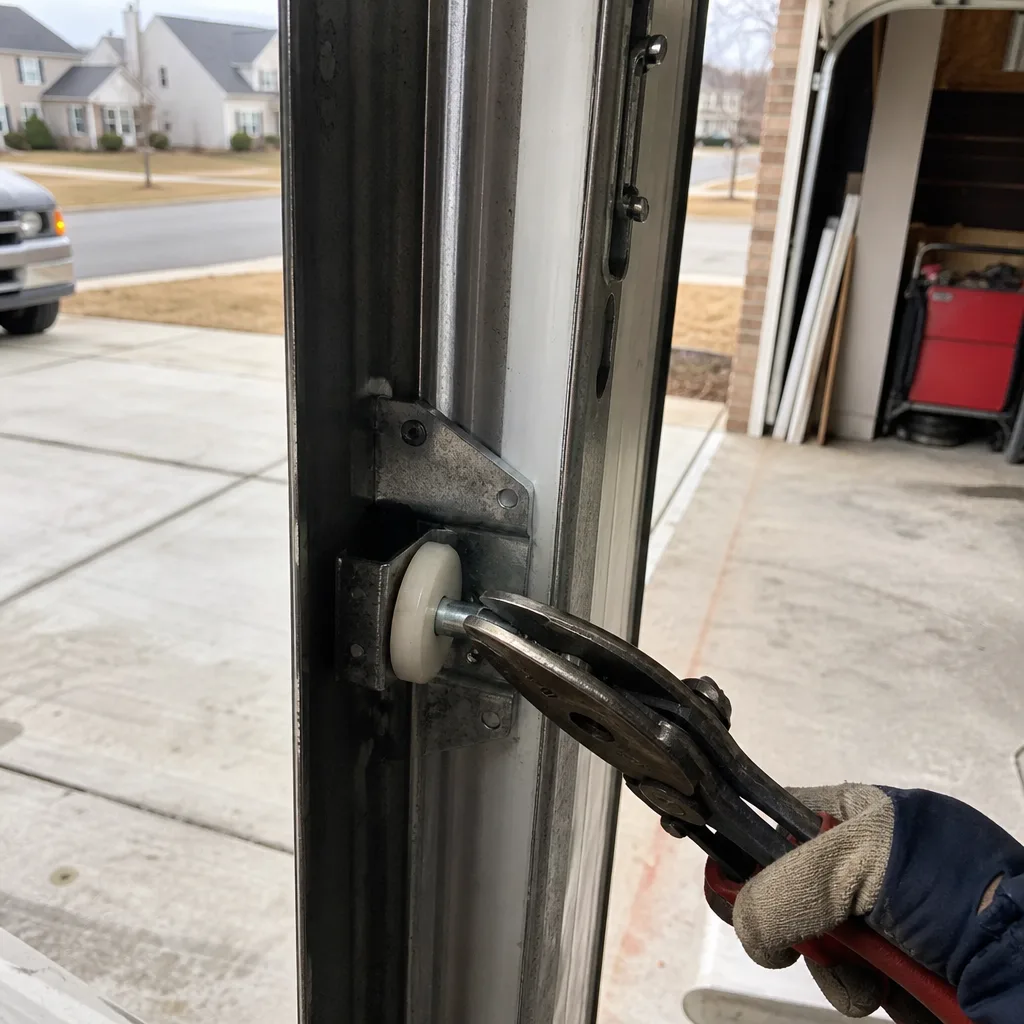
- You can see daylight under the door when it’s closed. The seal is no longer making contact with the concrete. McDonough garage floors settle unevenly because of the clay soil, and the seal has to flex to follow that slope. Once it hardens, it can’t.
- Water runs under the door during heavy rain. This is the most common call we get in March and April. The seal’s compression bulb has cracked or collapsed, and standing water is now getting straight into the garage. Water in the garage means rust on the track hardware and eventually on the door panels themselves.
- The seal is split, crumbled, or shows large cracks when flexed. UV exposure and ozone degradation harden the vinyl over time. When you bend it and it breaks instead of springing back, it’s done. There is no temporary fix: a hardened seal won’t re-soften, and silicone spray only masks it for a month.
- The garage is hotter in summer and colder in winter than it used to be. The seal is the main thermal break between the conditioned garage and outside air. In McDonough’s humidity, a failed seal also means more moisture inside the garage, which shows up as rust on tools and condensation on stored boxes.
- You’re finding more dust, leaves, and insects inside the garage. Georgia’s bug pressure is real. Ants, crickets, and roaches follow the gap. We’ve seen McDonough garages where the gap under the door was wide enough to slide a pencil through, and the homeowner couldn’t figure out where the crickets were coming from.
BeforeAfterReplacement Cost & What’s Included
Replacing the bottom weather seal on a Craftsman door in McDonough runs $110 to $220 installed, including the seal itself and the labor to remove the old material, clean the retainer channel, and fit the new seal. Wider doors, doors with impact-damaged retainer channels that need straightening, and doors requiring side and top seal replacement as well will land at the higher end of that range. We quote a flat, written price before we start any work, and that price includes the part, the labor, and the disposal of the old seal. Clause 1 of The Haven Standard is specific: a written price and written scope before the job begins. Not a verbal estimate, not a “we’ll see when we get there.”
The seal we install carries a manufacturer’s warranty on material defects, and our work itself is backed by the 365-Day Done Right Promise. If it’s not right, we make it right. That’s the standard, not a handshake. Before we leave, you’ll have the photo record of what we found and what we installed, which tells you more than any invoice summary ever will.
DIY or Call Us?
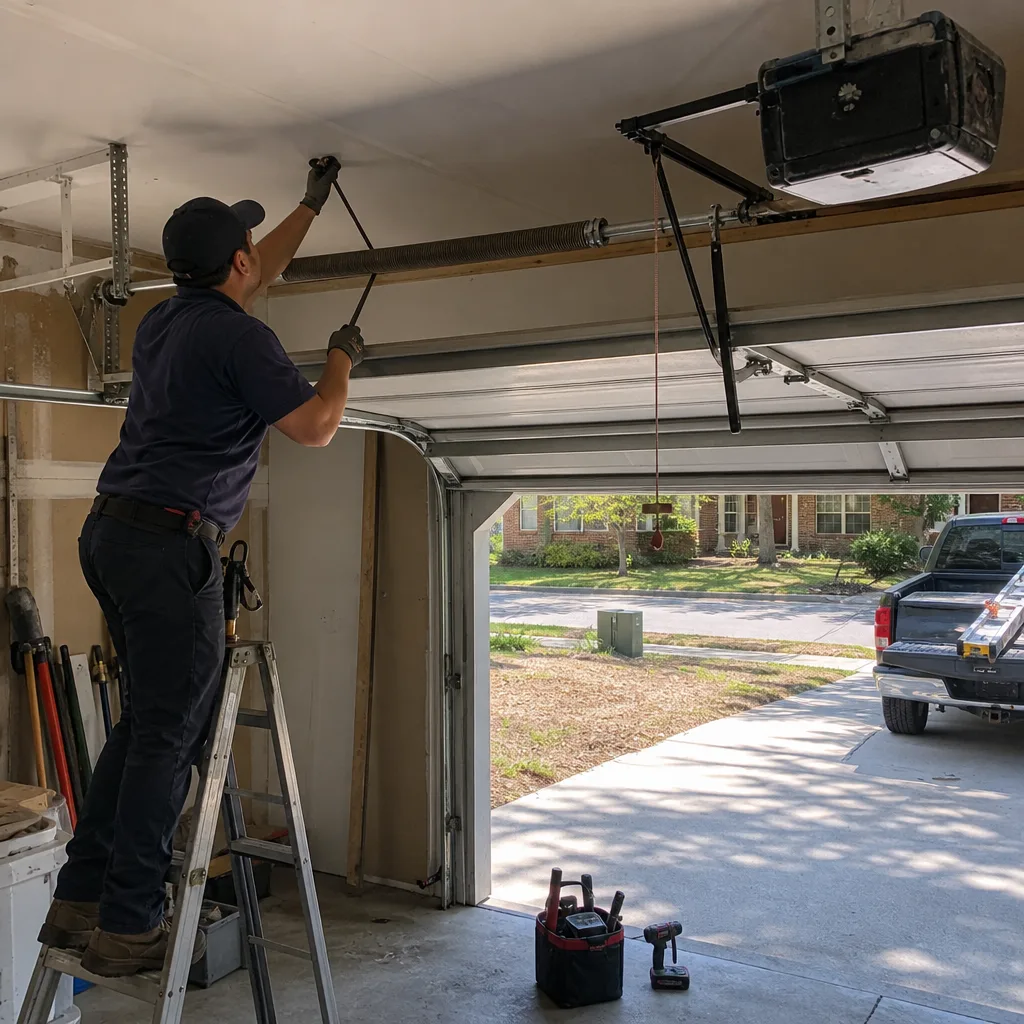
This is one of the few garage door parts an owner can inspect without risk, so don’t be afraid to look. Close the door and check the seal line from inside. If the rubber is cracked, hardened, or not touching the floor evenly, it’s time. What we’d caution against is trying to pull and replace a T-style seal on a door whose retainer channel is bent or corroded. That channel is aluminum on most Craftsman doors, and McDonough’s humidity plus road salt carried in from winter gravel will pit it. If you force the new seal in, you’ll tear it, and then you’ve paid for a part you have to replace again.
Also, the seal must be cut to the precise width with no gaps at the corners. That sounds simple, but we’ve arrived at plenty of homes where a hesitant DIY replacement left a half-inch gap at one end and the owner didn’t notice until the first heavy rain. Measure twice, call us if you don’t want to deal with it. We have the common Craftsman seal profiles on the truck, and we can have this handled in a single visit. Call (470) 928-4767 and we’ll walk you through what you’re looking at.
FAQs
A quality seal installed on a properly aligned door in McDonough lasts five to eight years, or roughly half that if the door faces full southern sun. The UV exposure and humidity here shorten the life of any vinyl seal substantially compared to what you might see in northern climates.
A torn or cracked weather seal cannot be repaired. Vinyl seals don’t re-bond, and patch compounds won’t survive the flexing the seal does every time the door cycles. Replacement is the only fix. Call (470) 928-4767 and we’ll confirm the exact part and price before we schedule.
A straightforward bottom seal replacement on a Craftsman door in McDonough takes 45 to 90 minutes on site. Side and top seal replacement adds 30 to 40 minutes. We carry the common seal lengths and profiles on the truck, so most jobs are one visit, no waiting on parts.
We stock the T-style bottom seals and vinyl side/top gaskets for the Craftsman door profiles we see most often in McDonough, and we can confirm compatibility from a photo of your door edge before we quote. For doors with unusual channel styles, we order the exact part and schedule the install once it arrives. Same day is typical for the parts we carry. Call (470) 928-4767 with your door details and we’ll tell you what we can do today.
Written by Marcus Deller, Owner, Servo Garage Doors McDonough at Servo Garage Doors McDonough, serving McDonough and nearby areas.